
Next Xbox Aims for PC-Like Flexibility
Microsoft's announcement of a partnership with AMD to develop the "next generation of Xbox devices" may have appeared sudden, but it feels like a predictable, even inevitable, development. However, it does raise significant questions about the future direction of gaming as we approach this new hardware cycle.
While confirming the silicon partner is noteworthy, the more substantial takeaway is the Xbox team's stated goal to "work closely with the Windows team to make Windows the number one gaming platform." Following last week's reveal of the ROG Ally X Xbox device, this strongly suggests the next Xbox ecosystem will resemble a dedicated gaming PC.
What Does "Working Closely With Windows" Really Mean?
Over several console generations, Xbox hardware has progressively moved closer to the PC architecture, even down to its underlying operating system. The user interface of the Xbox Series X shares unmistakable design language with modern Windows, a fact that’s readily apparent to anyone familiar with Windows 8, 10, or 11.
In the partnership video with AMD, Xbox President Sarah Bond framed their vision as enabling players to "play the games you want, with the people you want, wherever you want." This philosophy isn't new—Microsoft has championed accessibility and cross-play for years, notably through the Play Anywhere initiative—but the latest messaging hints at a more profound integration.
As someone who frequently switches between an Xbox console and PC gaming, Play Anywhere is invaluable for seamless progress. Bond's mention of an Xbox experience "not locked to a single store" fuels speculation. While reading between the lines, it suggests the potential for integrating platforms like Steam and the Epic Games Store directly into a future Xbox ecosystem.
This move would be a logical progression. Microsoft has already endorsed an "official" Asus handheld open to all PC storefronts. Extending that openness to a console-like device is the natural next step.
The ROG Ally X as a Blueprint
The key distinction of the ROG Ally X Xbox handheld is its collaboration with Microsoft and its customized Windows build. Although the full details are pending, we know this version will de-prioritize non-essential desktop components to streamline the experience.
Critically, the device will boot directly into a new iteration of the Xbox app, bypassing the standard Windows desktop. This approach mirrors Valve's SteamOS for the Steam Deck, which boots into a console-like interface for simplicity and performance. Accessing the full desktop requires a deliberate, separate step.
If the next Xbox runs on a Windows core, this optimized boot process is essential. A console's primary advantage over a PC is its streamlined software, which allows game engines to utilize system resources more efficiently. Microsoft is already developing this technology; it would be surprising if its application were limited to a single handheld device.
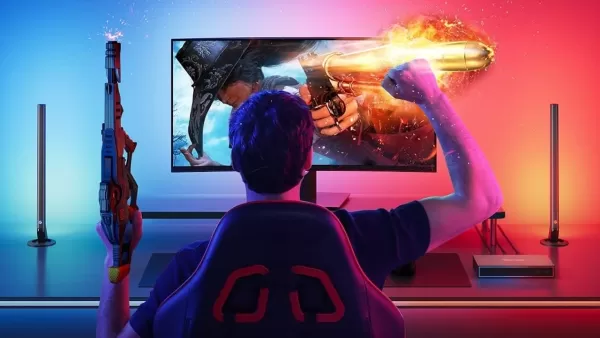
The Next Xbox Should Embrace Its PC Heritage
The PC gaming landscape is currently paradoxical. Hardware is more powerful and varied than ever, but it universally comes at a premium cost. Even compelling handhelds, like a potential SteamOS-based Lenovo Legion Go, carry a significantly higher price tag than traditional consoles.
Microsoft contributes to this cost structure. The Windows license fee is baked into the price of every gaming laptop and Windows-based handheld, explaining why a device like the standard ROG Ally (with the Z1 chip) is often more expensive than a comparably-specced Steam Deck. It's an accepted part of the ecosystem.
Consoles traditionally invert this model. Manufacturers often subsidize hardware costs, recouping investment through software licensing and marketplace sales, allowing them to offer powerful systems at accessible launch prices.
Microsoft now has a unique opportunity to apply that console business model to what is, in essence, a specialized gaming PC. With PC gaming's popularity soaring, a subsidized, accessible, and open "Xbox PC" could attract a massive new audience to the platform.
Given that graphics card prices show no signs of dropping soon, this new Xbox could provide the revitalizing boost the broader PC gaming market needs.














-
1

Top Streaming Platforms for Live Sports in 2025
Jun 18,2025
-
2

GTA 6 Set for Fall 2025 Release, CEO Confirms
Apr 03,2025
-
3

Roblox: CrossBlox Codes (January 2025)
Mar 04,2025
-
4

First ALGS in Asia Emerges in Japan
Jan 19,2025
-
5
![Roblox Forsaken Characters Tier List [UPDATED] (2025)](https://img.jdzca.com/uploads/18/17380116246797f3e8a8a39.jpg)
Roblox Forsaken Characters Tier List [UPDATED] (2025)
Mar 05,2025
-
6
Introducing the Ultimate Guide to Seamless Character Swapping in Dynasty Warriors: Origins
Feb 25,2025
-
7
Gwent: Top 5 Witcher Decks (2025 Update)
Mar 13,2025
-
8
Max Hunter Rank in Monster Hunter Wilds: Tips to Increase
Apr 04,2025
-
9

Cute mobs in Minecraft: pink pigs and why they are needed
Mar 06,2025
-
10
Capcom Spotlight Feb 2025 Showcases Monster Hunter Wilds, Onimusha and More
Apr 01,2025
-
Download

Portrait Sketch
Photography / 37.12M
Update: Dec 17,2024
-
Download

Friendship with Benefits
Casual / 150.32M
Update: Dec 13,2024
-
Download

F.I.L.F. 2
Casual / 352.80M
Update: Dec 20,2024
-
4
[NSFW 18+] Sissy Trainer
-
5
Pocket Touch Simulation! for
-
6
Chubby Story [v1.4.2] (Localizations)
-
7
슬롯 마카오 카지노 - 정말 재미나는 리얼 슬롯머신
-
8
Life with a College Girl
-
9
Shuffles by Pinterest
-
10
Hunter Akuna