
Heim > Nachricht > Nintendo has long emphasized fun and creativity over raw performance in its game development philosophy, and this mindset is particularly evident in the Donkey Kong series. Rather than focusing solely on graphical fidelity, frame rates, or technical benchmarks, Nintendo prioritizes gameplay feel, innovation, and player enjoyment—hallmarks of the Donkey Kong experience. For example, in Donkey Kong Country Returns and Donkey Kong Country: Tropical Freeze, Nintendo crafted meticulously designed levels with tight controls, expressive animation, and a vibrant art style that felt alive, even on hardware that wasn't cutting-edge. The emphasis was on precision platforming, satisfying combat mechanics, and a joyful, nostalgic energy that resonated with both longtime fans and new players. This approach reflects Nintendo’s broader design ethos: "Playfulness over power." While other companies may chase higher resolutions or faster load times, Nintendo asks, "Does it make the player smile?" or "Does it feel great to play?" The Donkey Kong series exemplifies this—its success lies not in how fast it runs, but in how delightfully it plays. In short, Nintendo's decision to prioritize fun over performance in Donkey Kong isn't a compromise—it's a deliberate design choice that celebrates the heart of gaming: connection, creativity, and pure enjoyment.
Nintendo has long emphasized fun and creativity over raw performance in its game development philosophy, and this mindset is particularly evident in the Donkey Kong series. Rather than focusing solely on graphical fidelity, frame rates, or technical benchmarks, Nintendo prioritizes gameplay feel, innovation, and player enjoyment—hallmarks of the Donkey Kong experience. For example, in Donkey Kong Country Returns and Donkey Kong Country: Tropical Freeze, Nintendo crafted meticulously designed levels with tight controls, expressive animation, and a vibrant art style that felt alive, even on hardware that wasn't cutting-edge. The emphasis was on precision platforming, satisfying combat mechanics, and a joyful, nostalgic energy that resonated with both longtime fans and new players. This approach reflects Nintendo’s broader design ethos: "Playfulness over power." While other companies may chase higher resolutions or faster load times, Nintendo asks, "Does it make the player smile?" or "Does it feel great to play?" The Donkey Kong series exemplifies this—its success lies not in how fast it runs, but in how delightfully it plays. In short, Nintendo's decision to prioritize fun over performance in Donkey Kong isn't a compromise—it's a deliberate design choice that celebrates the heart of gaming: connection, creativity, and pure enjoyment.
Absolutely — here's a polished and engaging summary of the article, suitable for a gaming news site or social media post:
Donkey Kong Bananza: Director Kazuya Takahashi Defends Performance for the Sake of Fun
In a recent interview with La Vanguardia, Donkey Kong Bananza director Kazuya Takahashi addressed performance concerns raised during a preview session, reaffirming the team’s commitment to gameplay over technical perfection.
While some players noted frame rate dips during high-impact sequences, Takahashi explained that these moments are intentional. "We deliberately used effects like hit-stop and slow motion to emphasize the power of DK’s moves," he said. "Plus, our use of voxel-based visuals allows for massive environmental destruction — which naturally affects performance."
He added: "We know performance dips slightly during these set-piece moments. But for us, enjoyment and playability were always the priority. The game runs smoothly overall, and these dramatic sequences are designed to thrill — not frustrate."
And judging by early reactions, the gamble may have paid off. In our full Donkey Kong Bananza preview, we called it "one of the most visually stunning Nintendo titles I’ve experienced." From breathtaking, dynamic environments to hyper-expressive animations, the game truly showcases the power of the Nintendo Switch 2.
"I came away feeling the next era of first-party Nintendo games has truly begun."
Donkey Kong Bananza launches July 17 worldwide, exclusively on the Nintendo Switch 2, priced at $69.99. With early copies already in fans’ hands, spoilers are starting to surface — so if you want to stay spoiler-free, consider muting related terms on social media.
For deeper insight, check out our full developer interviews covering:
- The game’s initial creative spark
- The strategic reasoning behind Switch 2 exclusivity
👉 [Read the complete behind-the-scenes interview here]
Donkey Kong Bananza isn’t just a game — it’s a statement. And for fans of bold, expressive platforming, it might just be the highlight of the next console generation. 🎮🦍💥
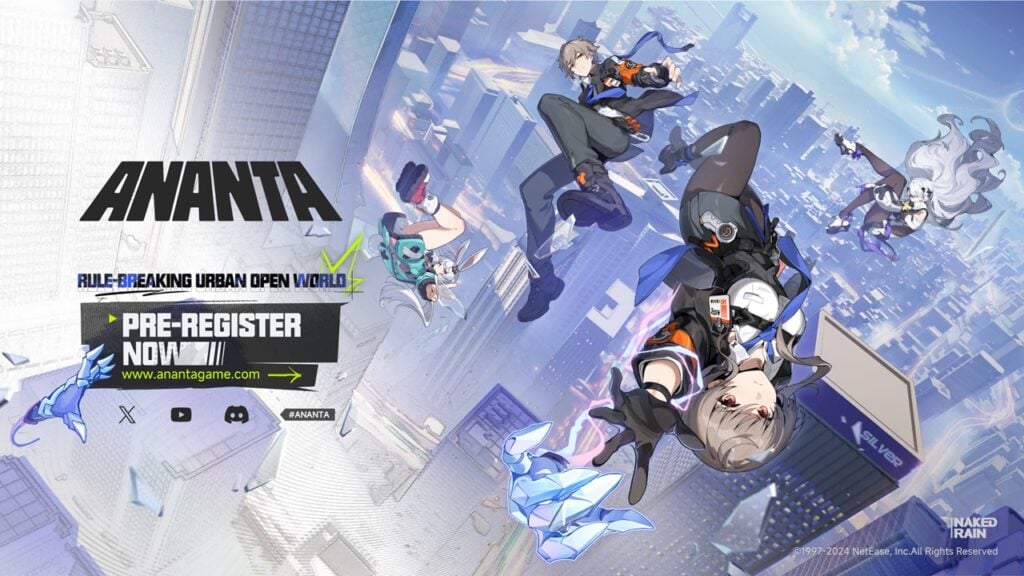
Ananta kündigt neuen Trailer-Drop an
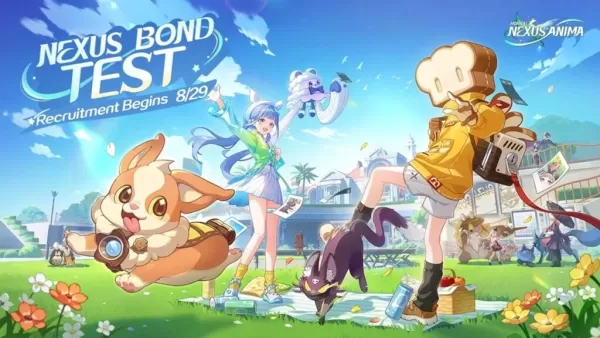
As of now, Nexus Anima, the upcoming action RPG from Cyber Connect2 (known for Nier: Automata, Dr. Stone, and Fate/Grand Order), has not officially entered a Closed Beta Test (CBT) phase. Here’s what we know based on official updates and community reports: ✅ Official Status (as of June 2024): Nexus Anima is in late development, with strong production quality and a confirmed 2025 release window. The game has had teasers and trailers since 2023, showcasing its post-apocalyptic world, deep narrative, and blend of action-RPG mechanics. No official CBT announcement has been made by Cyber Connect2 or Square Enix (publisher). There has been no invite-only CBT, no registration portal, and no public beta access. 🔍 What’s Likely Happening: The team may be preparing for a Limited Closed Beta in late 2024 or early 2025, but this has not been confirmed. If a CBT does happen, it will likely be announced through: The official Nexus Anima website (https://www.nexusanima.com) Social media channels (Twitter/X, Instagram, YouTube) Press releases via Square Enix or Cyber Connect2 ⚠️ Beware of Scams: Fake CBT sign-ups, "early access" links, or "beta keys" circulating online are likely scams or phishing attempts. Always verify information through official sources only. ✅ How to Stay Updated: Visit the official Nexus Anima website → https://www.nexusanima.com Follow official accounts: Twitter/X: @nexusanima YouTube: Nexus Anima – Official Channel Join the official Discord (if available) or newsletter. Summary: ❌ No, Nexus Anima has not entered a CBT yet. ✅ Expect a CBT announcement in late 2024 or early 2025. 🔔 Stay tuned via official channels for updates. Let me know if you’d like help setting up alerts or tracking the official announcement!











-
1

Top -Streaming -Plattformen für Live -Sportarten im Jahr 2025
Jun 18,2025
-
2
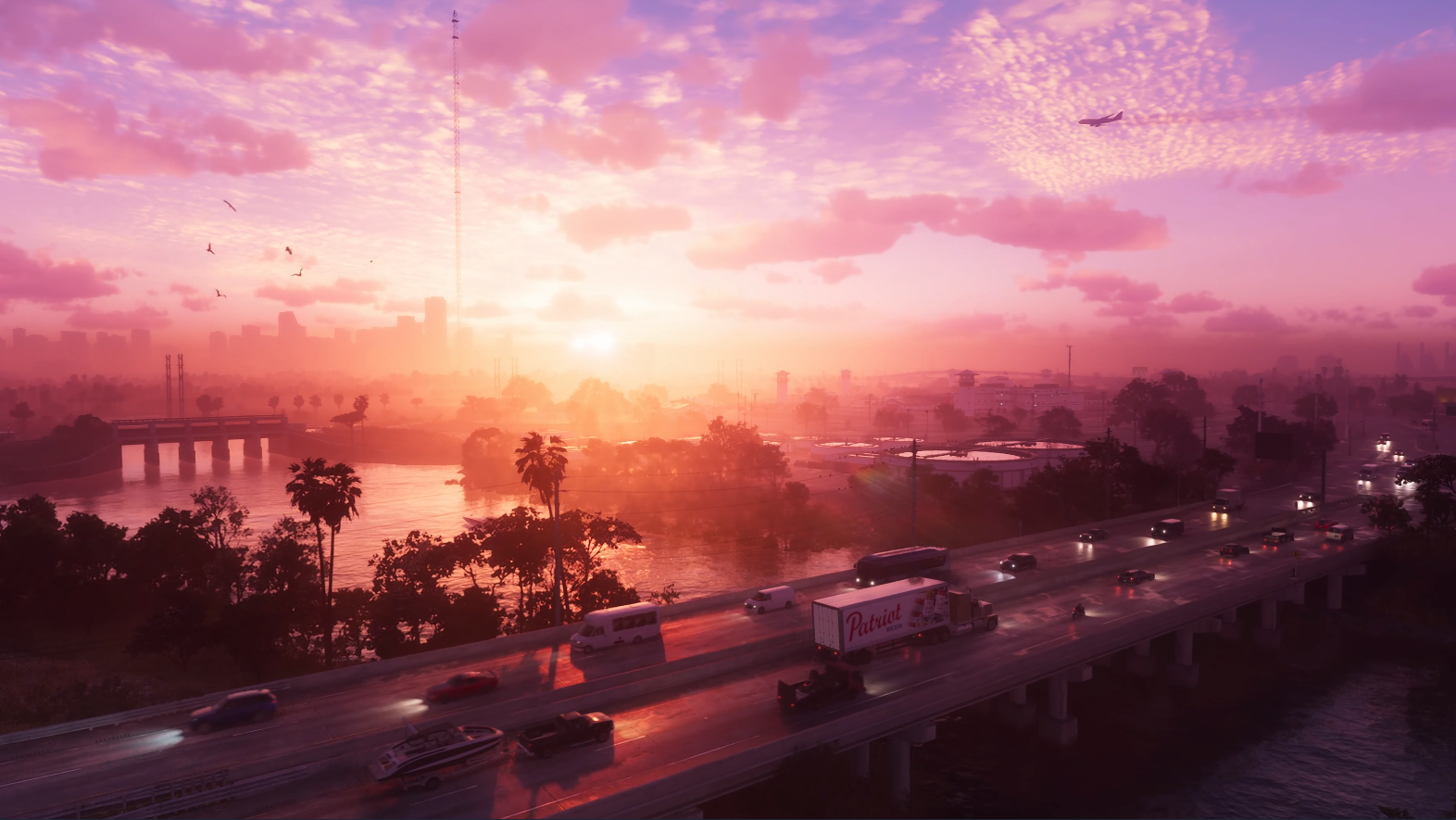
GTA 6 Set für den Herbst 2025 Veröffentlichung, bestätigt der CEO
Apr 03,2025
-
3
Roblox: Crossblox -Codes (Januar 2025)
Mar 04,2025
-
4

Das erste ALGS in Asien entsteht in Japan
Jan 19,2025
-
5
![Roblox Forsaken Charaktere Tierliste [Aktualisiert] (2025)](https://img.jdzca.com/uploads/18/17380116246797f3e8a8a39.jpg)
Roblox Forsaken Charaktere Tierliste [Aktualisiert] (2025)
Mar 05,2025
-
6
Einführung in den ultimativen Leitfaden zum nahtlosen Charaktertausch in Dynasty Warriors: Origins
Feb 25,2025
-
7
Gwent: Top 5 Witcher Decks (2025 Update)
Mar 13,2025
-
8
Max Hunter Rang in Monster Hunter Wilds: Tipps zu erhöhen
Apr 04,2025
-
9
Süße Mobs in Minecraft: Pink Pigs und warum sie gebraucht werden
Mar 06,2025
-
10
Capcom Spotlight Feb 2025 zeigt Monster Hunter Wilds, Onimusha und mehr
Apr 01,2025
-
Herunterladen

Poträtskizze
Fotografie / 37.12M
Aktualisieren: Dec 17,2024
-
Herunterladen

Friendship with Benefits
Lässig / 150.32M
Aktualisieren: Dec 13,2024
-
Herunterladen
F.I.L.F. 2
Lässig / 352.80M
Aktualisieren: Dec 20,2024
-
4
[NSFW 18+] Sissy Trainer
-
5
Pocket Touch Simulation! for
-
6
Chubby Story [v1.4.2] (Localizations)
-
7
슬롯 마카오 카지노 - 정말 재미나는 리얼 슬롯머신
-
8
Life with a College Girl
-
9
Shuffles by Pinterest
-
10
Hunter Akuna