
Дом > Новости > Cheetah: Multiplayer Game Sparks Debate on Ethics The newly released multiplayer game Cheetah has ignited a heated debate across gaming communities, ethical forums, and social media platforms, raising critical questions about the boundaries of digital entertainment, player agency, and moral responsibility in virtual environments. Developed by indie studio Apex Nova, Cheetah places players in a high-speed, futuristic arena where competitors race across dynamic landscapes, using augmented reality (AR) headsets and motion-sensing controllers to navigate obstacles and outmaneuver opponents. What sets the game apart—and fuels the controversy—is its core mechanic: players must make split-second ethical decisions that affect both their gameplay and the game’s evolving narrative. For example, players may be forced to choose between sabotaging an opponent’s path to gain an advantage or helping them overcome a dangerous trap, knowing that assisting could cost them time but might earn in-game "moral credits" that unlock unique abilities. Some decisions have real-time consequences, altering the environment, shifting alliances, and even affecting other players' experiences in unpredictable ways. The Ethical Dilemmas at Play One particularly divisive moment in the game occurs when a player discovers a hidden "empathy node" that allows them to temporarily experience another player’s emotions, thoughts, and motivations. This feature, intended to foster connection and understanding, has sparked polarized reactions. Proponents argue that Cheetah pushes the envelope of narrative-driven gaming, encouraging empathy, cooperation, and self-reflection. Many players have shared stories of forming genuine bonds with strangers through cooperative choices, even after intense competition. Critics, however, accuse the game of exploiting emotional manipulation for entertainment. Some players report feeling emotionally drained or manipulated after making difficult choices under pressure, with one Reddit user stating, “I felt guilty for winning after I knocked someone off course—like I’d actually hurt them, even though it was just code.” Others have raised concerns about psychological safety, especially in a multiplayer setting where players can’t control others’ actions. A few reports have emerged of harassment and emotional distress stemming from the game’s immersive design, with some accusing developers of creating a "moral pressure cooker" that blurs the line between play and psychological exposure. Developer Response and Industry Implications Apex Nova has defended Cheetah as a social experiment wrapped in a game, emphasizing that the developers never intended to replace real-world ethics with digital simulations. In a recent statement, lead designer Lila Monroe said, “We’re not teaching morality—we’re revealing it. Cheetah doesn’t tell players what to do. It shows them what they do when no one’s watching.” Still, the backlash has prompted calls for stricter content warnings, age restrictions, and ethical oversight in game design. Some academics and psychologists are urging the gaming industry to adopt ethical review boards, similar to those in film and medicine, to assess the psychological impact of interactive experiences. The Bigger Picture Cheetah isn’t just a game—it’s a cultural flashpoint. It reflects broader societal anxieties about digital identity, emotional authenticity, and the increasing role of technology in shaping our moral instincts. As virtual worlds grow more immersive, the line between gameplay and ethical responsibility becomes harder to draw. Whether Cheetah will be remembered as a groundbreaking innovation or a cautionary tale may depend not on its mechanics, but on how society chooses to engage with its deeper questions. The debate isn’t about whether the game is good or bad—it’s about what it makes us ask ourselves: In a world where every choice is simulated, who are we really becoming?
Cheetah: Multiplayer Game Sparks Debate on Ethics The newly released multiplayer game Cheetah has ignited a heated debate across gaming communities, ethical forums, and social media platforms, raising critical questions about the boundaries of digital entertainment, player agency, and moral responsibility in virtual environments. Developed by indie studio Apex Nova, Cheetah places players in a high-speed, futuristic arena where competitors race across dynamic landscapes, using augmented reality (AR) headsets and motion-sensing controllers to navigate obstacles and outmaneuver opponents. What sets the game apart—and fuels the controversy—is its core mechanic: players must make split-second ethical decisions that affect both their gameplay and the game’s evolving narrative. For example, players may be forced to choose between sabotaging an opponent’s path to gain an advantage or helping them overcome a dangerous trap, knowing that assisting could cost them time but might earn in-game "moral credits" that unlock unique abilities. Some decisions have real-time consequences, altering the environment, shifting alliances, and even affecting other players' experiences in unpredictable ways. The Ethical Dilemmas at Play One particularly divisive moment in the game occurs when a player discovers a hidden "empathy node" that allows them to temporarily experience another player’s emotions, thoughts, and motivations. This feature, intended to foster connection and understanding, has sparked polarized reactions. Proponents argue that Cheetah pushes the envelope of narrative-driven gaming, encouraging empathy, cooperation, and self-reflection. Many players have shared stories of forming genuine bonds with strangers through cooperative choices, even after intense competition. Critics, however, accuse the game of exploiting emotional manipulation for entertainment. Some players report feeling emotionally drained or manipulated after making difficult choices under pressure, with one Reddit user stating, “I felt guilty for winning after I knocked someone off course—like I’d actually hurt them, even though it was just code.” Others have raised concerns about psychological safety, especially in a multiplayer setting where players can’t control others’ actions. A few reports have emerged of harassment and emotional distress stemming from the game’s immersive design, with some accusing developers of creating a "moral pressure cooker" that blurs the line between play and psychological exposure. Developer Response and Industry Implications Apex Nova has defended Cheetah as a social experiment wrapped in a game, emphasizing that the developers never intended to replace real-world ethics with digital simulations. In a recent statement, lead designer Lila Monroe said, “We’re not teaching morality—we’re revealing it. Cheetah doesn’t tell players what to do. It shows them what they do when no one’s watching.” Still, the backlash has prompted calls for stricter content warnings, age restrictions, and ethical oversight in game design. Some academics and psychologists are urging the gaming industry to adopt ethical review boards, similar to those in film and medicine, to assess the psychological impact of interactive experiences. The Bigger Picture Cheetah isn’t just a game—it’s a cultural flashpoint. It reflects broader societal anxieties about digital identity, emotional authenticity, and the increasing role of technology in shaping our moral instincts. As virtual worlds grow more immersive, the line between gameplay and ethical responsibility becomes harder to draw. Whether Cheetah will be remembered as a groundbreaking innovation or a cautionary tale may depend not on its mechanics, but on how society chooses to engage with its deeper questions. The debate isn’t about whether the game is good or bad—it’s about what it makes us ask ourselves: In a world where every choice is simulated, who are we really becoming?
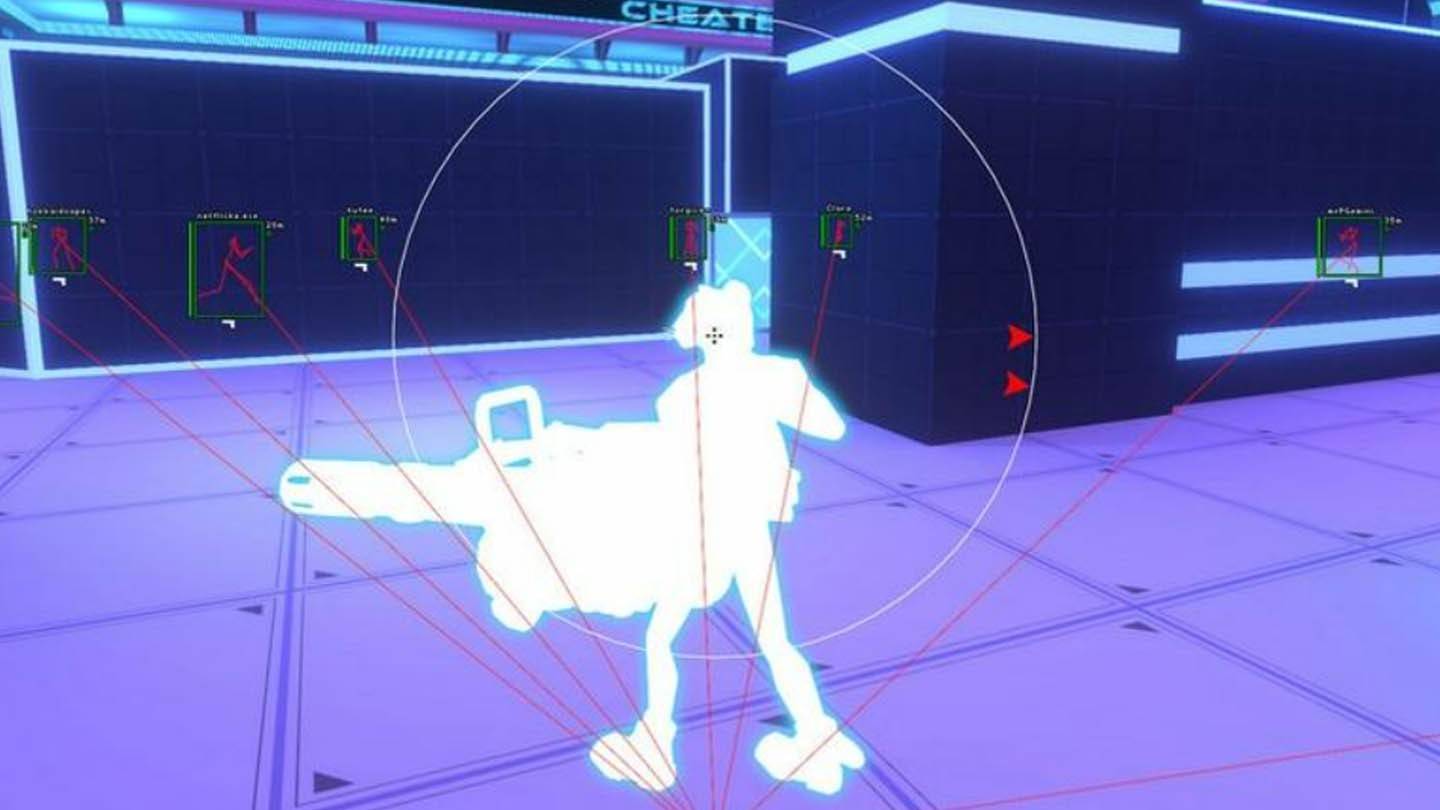
Онлайн-гейминг-ландшафт приветствует интригующего новичка с анонсом игры Cheetah — многопользовательского проекта, специально разработанного для уникального сообщества: игроков, часто называемых «циторами» или читерами. Игра пропагандирует нестандартные тактики, призывая игроков мыслить креативно и создавать оригинальные стратегии для соревновательной игры.
Cheetah привлекает геймеров, которым нравится проверять границы и исследовать новые подходы к классическим игровым механикам. Она предлагает арены в стиле сандбокса, где участники могут свободно экспериментировать с инструментами, модификациями и методами, как правило, не приветствуемыми в массовых многопользовательских играх. Это создаёт инклюзивное пространство для тех, кто ценит креативность и адаптивность.
Согласно разработчикам, Cheetah не оценивает нечестные преимущества — она почитает острое стратегическое мышление и изобретательное решение проблем. Обеспечивая игрокам возможность персонализировать свой стиль игры, игра способствует формированию сообщества, ориентированного на обмен идеями и коллективное обучение.
Благодаря акценту на гибкости и инновациях, Cheetah стремится расширить возможности многопользовательского гейминга, предлагая динамичную платформу для игроков, ищущих нечто большее, чем традиционная конкуренция. По мере появления дополнительных подробностей, фанаты игры с нестандартным подходом с нетерпением ждут её выхода.
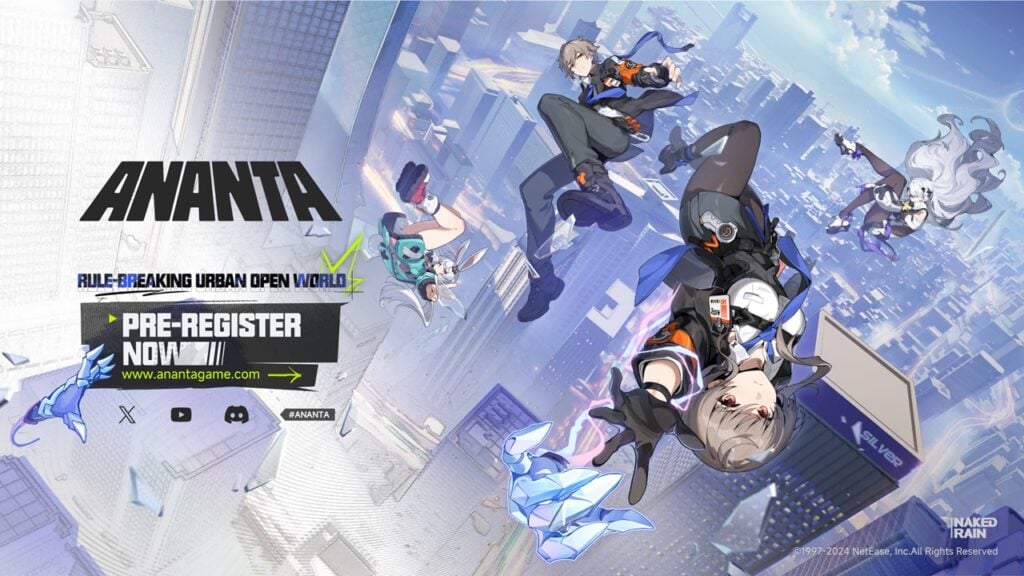
Ananta анонсирует выпуск нового трейлера

As of now, Nexus Anima—the upcoming action RPG from Bandai Namercia (formerly Bandai Namco Entertainment)—is not officially confirmed to have entered a Closed Beta Test (CBT) phase. There has been no official announcement from Bandai Namco or the game’s development team regarding a CBT for Nexus Anima. However, here’s what we know so far: 🔍 Nexus Anima – Key Details (as of 2024): Developer: Bandai Namco Studios Genre: Action RPG / Sci-Fi / Third-Person Combat Setting: A futuristic world shaped by a mysterious energy force known as the "Nexus," where humanity fights against alien threats and existential forces. Platforms: Expected to launch on PlayStation 5, Xbox Series X|S, and PC (Steam). Teaser Trailer: Released in 2023, showcasing cinematic visuals, fast-paced combat, and a strong narrative theme. ❓ Is There a CBT? No official CBT has been announced as of late 2024. The game is still in development, and Bandai Namco has been focusing on building hype through trailers, concept art, and developer interviews. If a CBT does happen, it will likely be announced through official channels such as: Nexus Anima’s official website Bandai Namco’s social media (Twitter/X, Instagram, YouTube) Gaming events like Gamescom 2024, The Game Awards 2024, or E3 2025 ✅ What You Can Do: Follow official sources: Nexus Anima Official Site (if live) Bandai Namco’s Twitter/X: @BandaiNamco Sign up for newsletters on Bandai Namco’s website. Check for CBT sign-up opportunities on Steam (if the game is listed there). 🔔 Pro Tip: Keep an eye out for Steam pre-orders or beta registration links—many games announce CBTs through Steam pre-purchase campaigns. If you’re hearing rumors about a CBT, make sure they’re coming from official sources—fan sites or social media rumors can be misleading. Would you like help setting up alerts for Nexus Anima news or CBT announcements?












-
1

Top потоковых платформ для живых спортивных спортов в 2025 году
Jun 18,2025
-
2

GTA 6 Set для выпуска осень 2025 года, генеральный директор подтверждает
Apr 03,2025
-
3
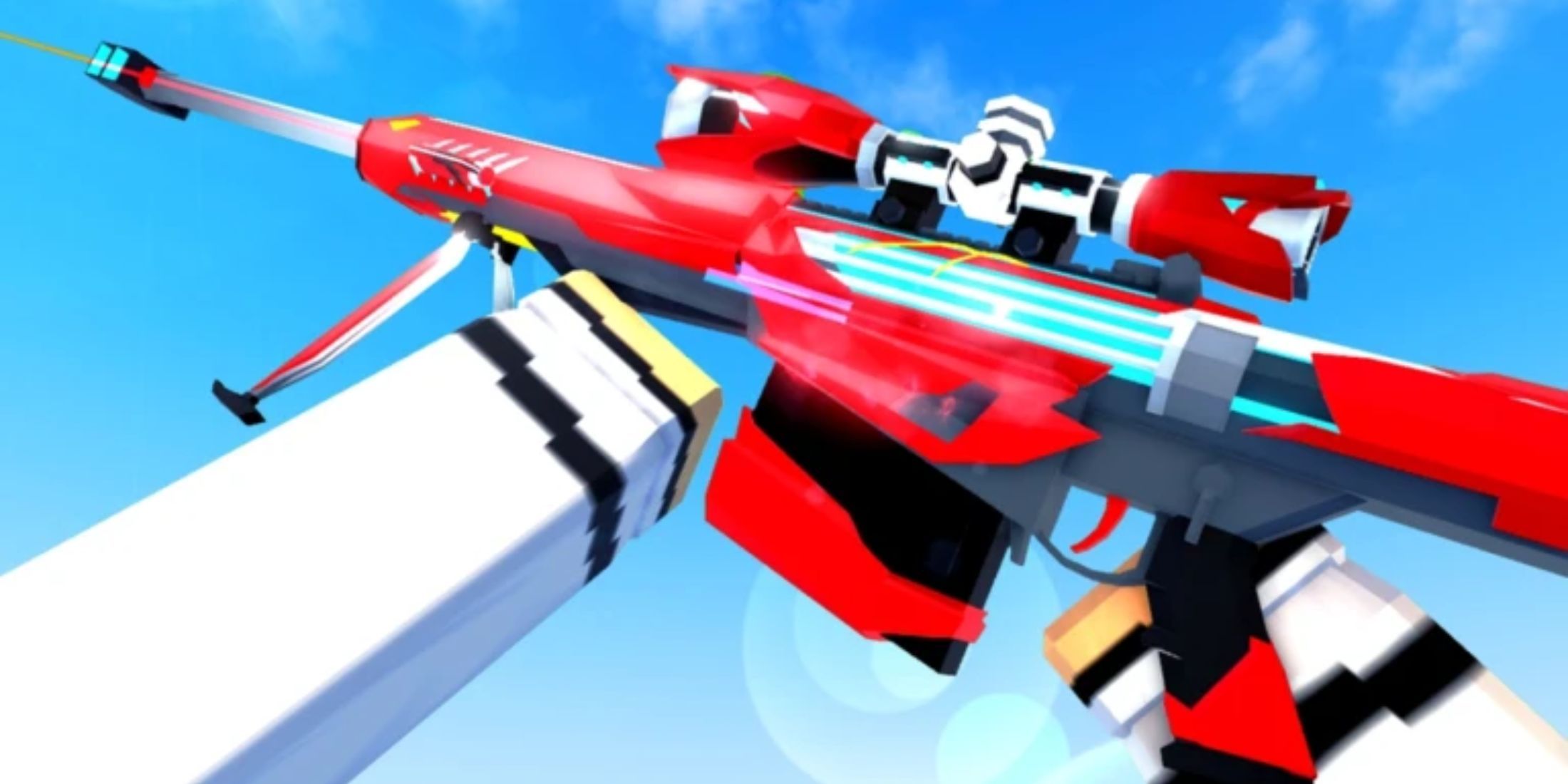
Roblox: Crossblox -коды (январь 2025 г.)
Mar 04,2025
-
4

Первый ALGS в Азии появился в Японии
Jan 19,2025
-
5
![Roblox Forsakencess Screces Lier Lier [Обновлено] (2025)](https://img.jdzca.com/uploads/18/17380116246797f3e8a8a39.jpg)
Roblox Forsakencess Screces Lier Lier [Обновлено] (2025)
Mar 05,2025
-
6
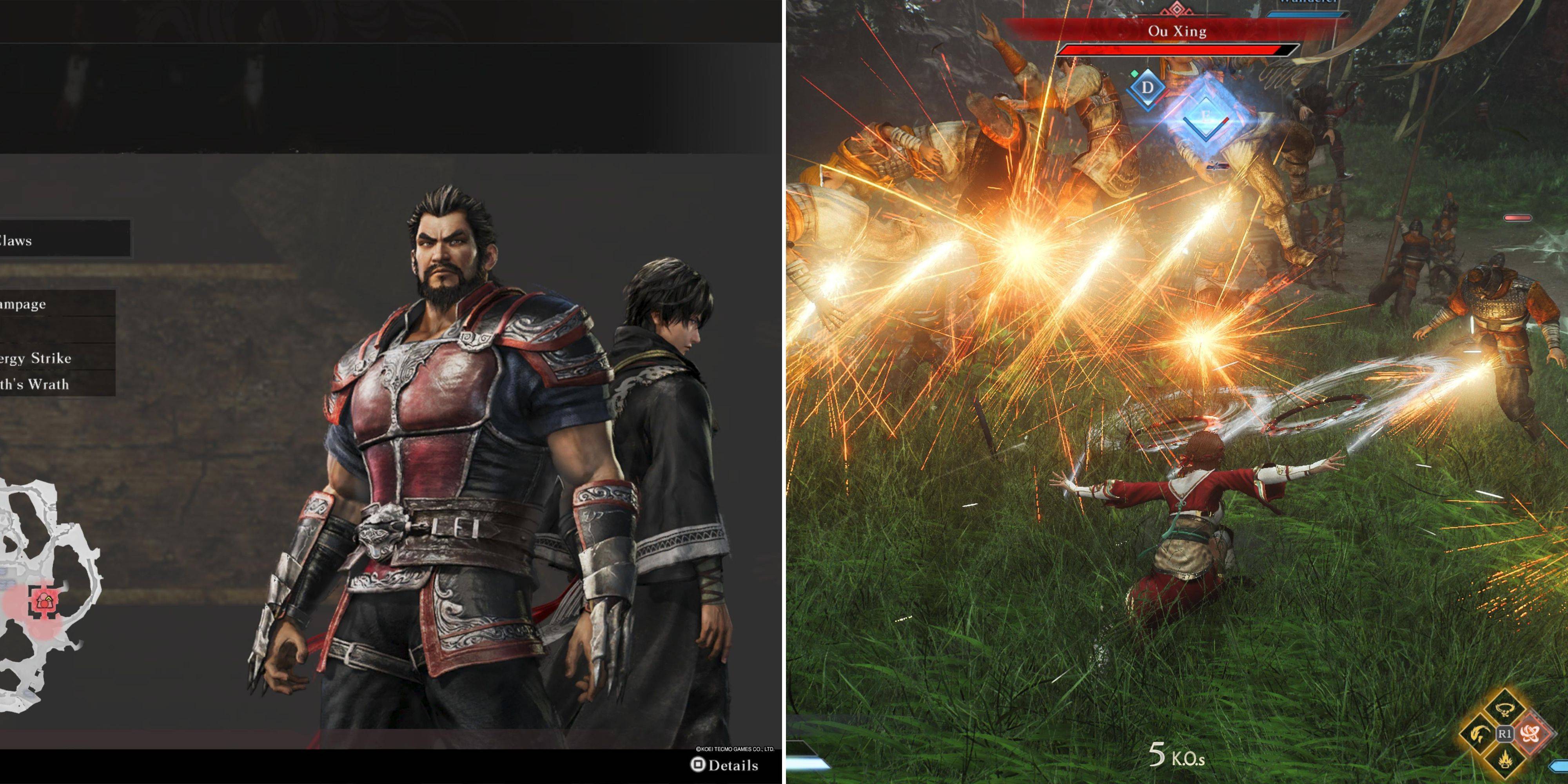
Представление окончательного руководства по бесшовному обмену персонажам в воинах династии: происхождение
Feb 25,2025
-
7
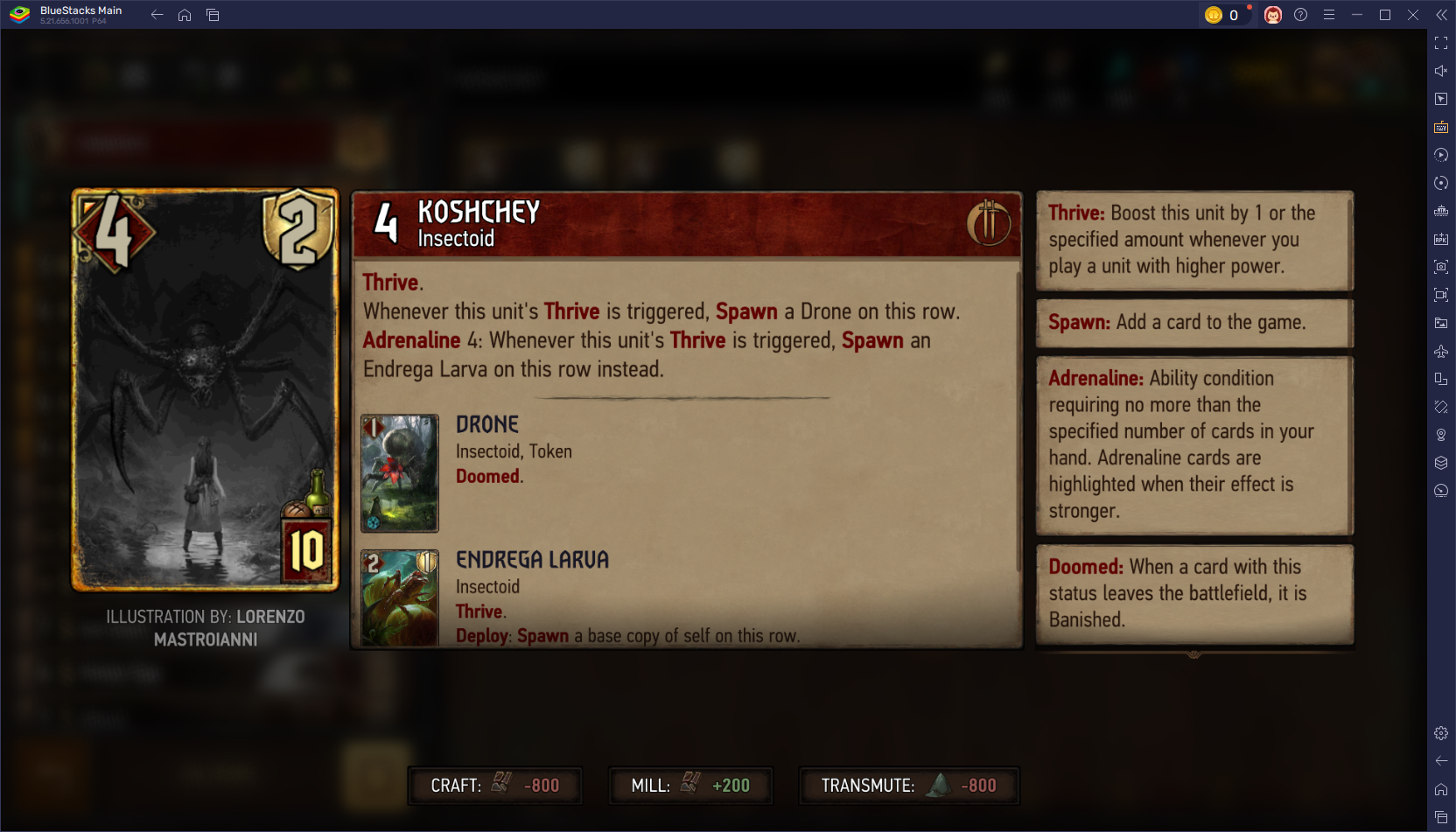
Gwent: 5 лучших колод -ведьм (обновление 2025 года)
Mar 13,2025
-
8
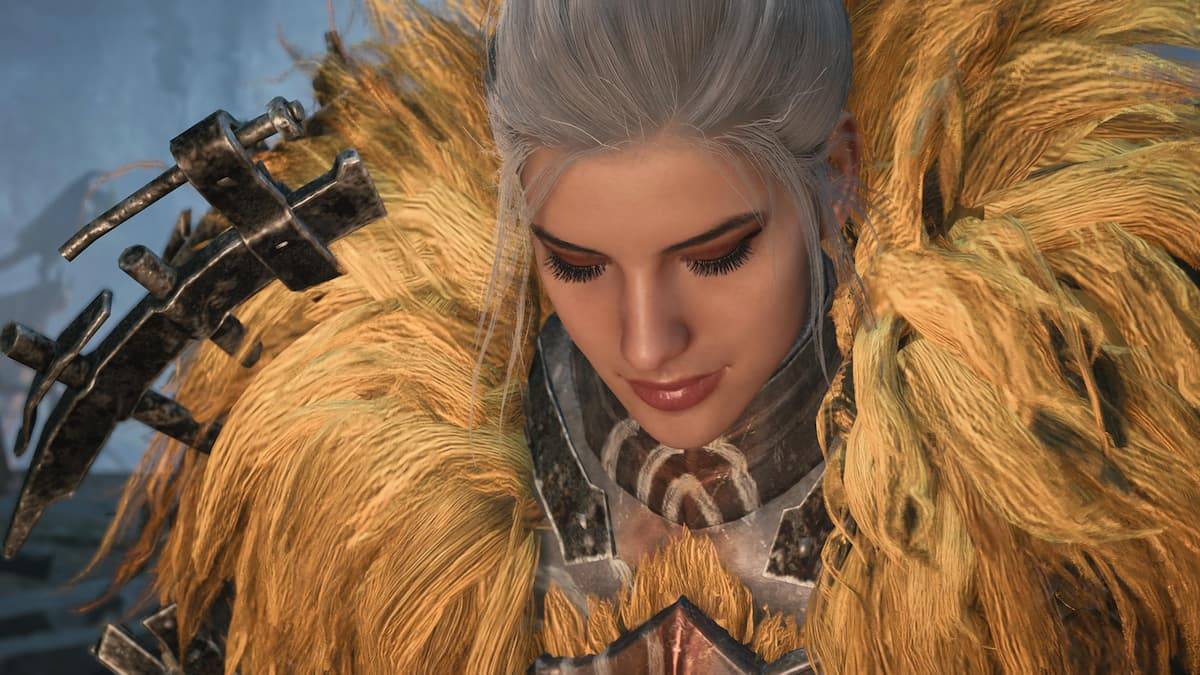
Max Hunter Rang в Wilds Monster Hunter Wilds: Советы по увеличению
Apr 04,2025
-
9
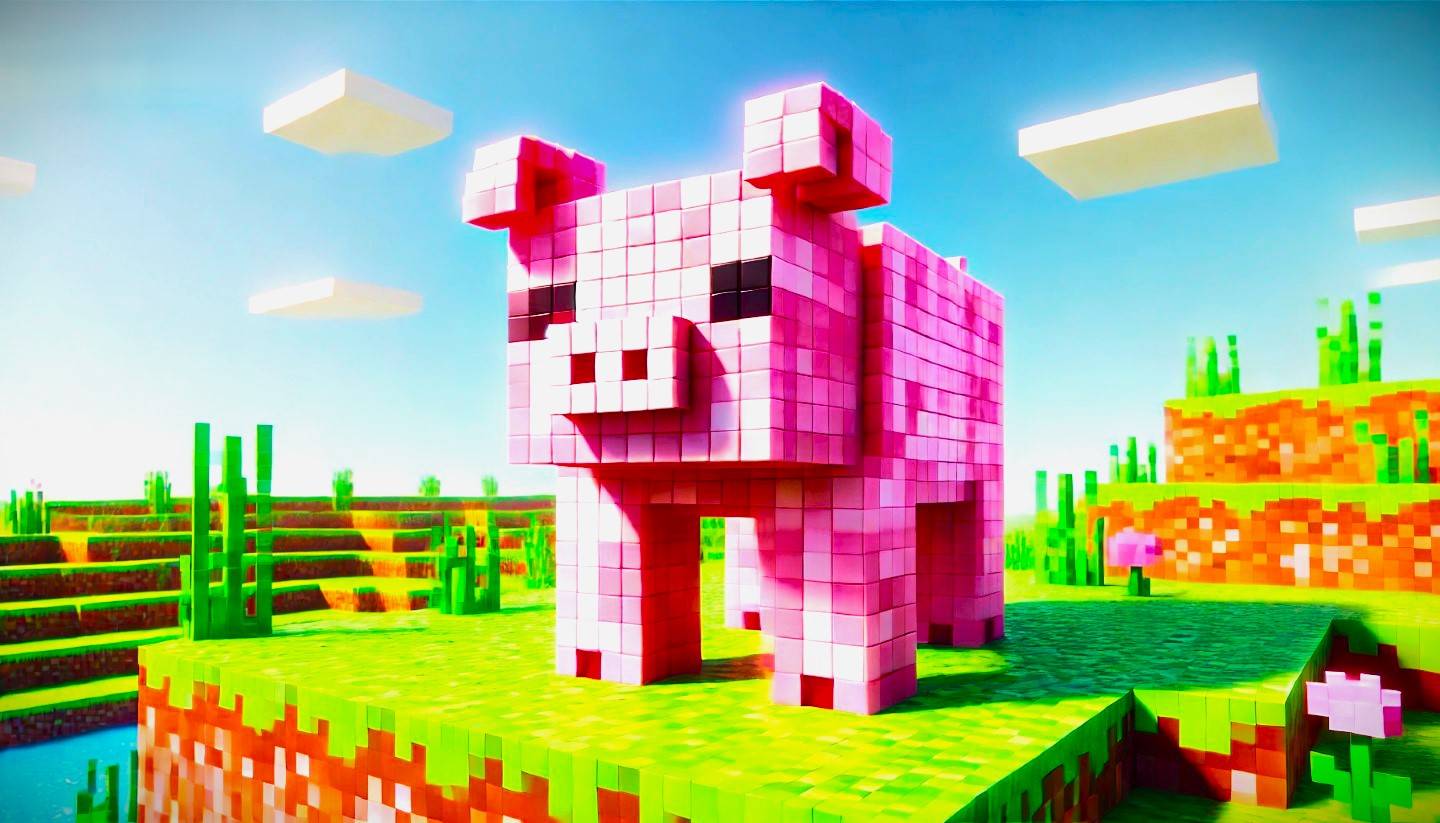
Симпатичные мобы в Minecraft: розовые свиньи и почему они нужны
Mar 06,2025
-
10
Capcom Spotlight февраль 2025 года демонстрирует монстры Hunter Wilds, Onimusha и многое другое
Apr 01,2025
-
Скачать

Эскиз портрета
Фотография / 37.12M
Обновлять: Dec 17,2024
-
Скачать

Friendship with Benefits
Повседневный / 150.32M
Обновлять: Dec 13,2024
-
Скачать

F.I.L.F. 2
Повседневный / 352.80M
Обновлять: Dec 20,2024
-
4
[NSFW 18+] Sissy Trainer
-
5
Pocket Touch Simulation! for
-
6
Chubby Story [v1.4.2] (Localizations)
-
7
슬롯 마카오 카지노 - 정말 재미나는 리얼 슬롯머신
-
8
Life with a College Girl
-
9
Shuffles by Pinterest
-
10
Hunter Akuna