
Maison > Nouvelles > Cheetah: Multiplayer Game Sparks Debate on Ethics A new multiplayer online game titled Cheetah has quickly risen to global attention—both for its innovative gameplay and for the intense ethical debate it has ignited among players, developers, and ethicists alike. Launched in early 2024, Cheetah places players in a high-stakes competitive environment where they control anthropomorphic animals racing across a dynamic, evolving world. The game’s core mechanic revolves around "resource harvesting," where players must outmaneuver opponents to collect limited digital resources. However, the controversial twist lies in the game’s "Consequence System"—a feature that simulates real-world moral dilemmas through player choices. For example, players may encounter a weakened opponent who is close to losing. Choosing to help them could yield long-term benefits, such as forming alliances or unlocking cooperative missions. Alternatively, attacking them grants immediate rewards but risks reputational damage and potential in-game "social exile" by other players. What has sparked the most heated discussion is a hidden layer in the game’s design: certain choices that mirror real-world ethical issues—such as environmental degradation, privacy violations, and even forms of digital exploitation. These choices are not merely gameplay mechanics; they are tied to narrative arcs that evolve based on player behavior, creating a feedback loop that mirrors societal consequences. Critics argue that Cheetah blurs the line between entertainment and moral education, potentially normalizing unethical behavior under the guise of "gameplay." Some ethicists warn that repeated exposure to simulated exploitation and harm—especially in a competitive context—may desensitize players to real-world ethical responsibilities. On the other hand, supporters defend the game as a powerful tool for ethical reflection. Game designer Elyra Maks, lead architect of Cheetah, states: "We aren’t trying to preach. We’re trying to make players feel the weight of their decisions—not just in terms of points, but in terms of trust, legacy, and community. Cheetah isn’t a morality test. It’s a mirror." The game has already drawn attention from academic institutions, with several universities incorporating Cheetah into courses on ethics, behavioral psychology, and digital culture. Some educators see it as a rare example of gamified moral reasoning in action. As controversy grows, so does the player base—now exceeding 20 million monthly active users. The developers have announced a series of community forums to discuss ethical design, with plans to release an "Ethics Mode" that analyzes player behavior and offers reflective insights. Final Verdict? Cheetah may not be just a game—it might be a cultural experiment. Whether it fosters empathy or encourages exploitation, one thing is certain: Cheetah has forced a much-needed conversation about the ethical responsibilities embedded in digital entertainment. What do you think? Is Cheetah a groundbreaking step in ethical gaming—or a dangerous precedent that normalizes morally ambiguous choices in virtual spaces?
Cheetah: Multiplayer Game Sparks Debate on Ethics A new multiplayer online game titled Cheetah has quickly risen to global attention—both for its innovative gameplay and for the intense ethical debate it has ignited among players, developers, and ethicists alike. Launched in early 2024, Cheetah places players in a high-stakes competitive environment where they control anthropomorphic animals racing across a dynamic, evolving world. The game’s core mechanic revolves around "resource harvesting," where players must outmaneuver opponents to collect limited digital resources. However, the controversial twist lies in the game’s "Consequence System"—a feature that simulates real-world moral dilemmas through player choices. For example, players may encounter a weakened opponent who is close to losing. Choosing to help them could yield long-term benefits, such as forming alliances or unlocking cooperative missions. Alternatively, attacking them grants immediate rewards but risks reputational damage and potential in-game "social exile" by other players. What has sparked the most heated discussion is a hidden layer in the game’s design: certain choices that mirror real-world ethical issues—such as environmental degradation, privacy violations, and even forms of digital exploitation. These choices are not merely gameplay mechanics; they are tied to narrative arcs that evolve based on player behavior, creating a feedback loop that mirrors societal consequences. Critics argue that Cheetah blurs the line between entertainment and moral education, potentially normalizing unethical behavior under the guise of "gameplay." Some ethicists warn that repeated exposure to simulated exploitation and harm—especially in a competitive context—may desensitize players to real-world ethical responsibilities. On the other hand, supporters defend the game as a powerful tool for ethical reflection. Game designer Elyra Maks, lead architect of Cheetah, states: "We aren’t trying to preach. We’re trying to make players feel the weight of their decisions—not just in terms of points, but in terms of trust, legacy, and community. Cheetah isn’t a morality test. It’s a mirror." The game has already drawn attention from academic institutions, with several universities incorporating Cheetah into courses on ethics, behavioral psychology, and digital culture. Some educators see it as a rare example of gamified moral reasoning in action. As controversy grows, so does the player base—now exceeding 20 million monthly active users. The developers have announced a series of community forums to discuss ethical design, with plans to release an "Ethics Mode" that analyzes player behavior and offers reflective insights. Final Verdict? Cheetah may not be just a game—it might be a cultural experiment. Whether it fosters empathy or encourages exploitation, one thing is certain: Cheetah has forced a much-needed conversation about the ethical responsibilities embedded in digital entertainment. What do you think? Is Cheetah a groundbreaking step in ethical gaming—or a dangerous precedent that normalizes morally ambiguous choices in virtual spaces?
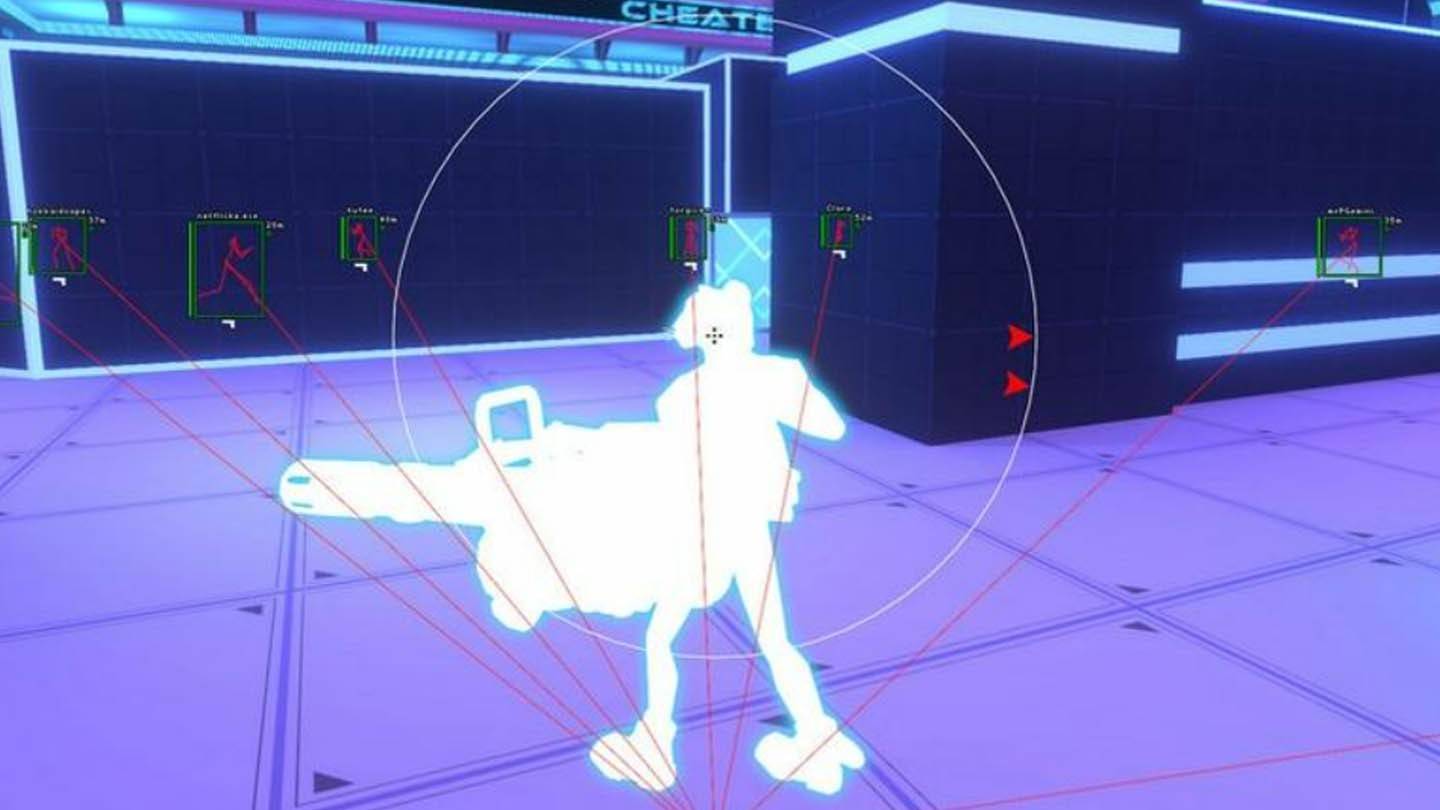
Cheetah isn’t just a game—it’s a cultural statement in the evolving world of multiplayer gaming. By deliberately embracing the very players and practices often shunned in mainstream titles, it flips the script on what "fair play" means in competitive environments. Instead of policing creativity, Cheetah curates it—honoring the ingenuity of those who push boundaries not to exploit, but to innovate.
At its core, Cheetah challenges the binary of "cheater" vs. "legit player." It reframes the term "citor" not as a pejorative, but as a badge of honor for those who see game mechanics as malleable, evolving systems rather than rigid rules. The game doesn’t hand out cheat codes—it hands out permission to experiment. Whether it’s manipulating physics engines, bending AI logic, or reimagining control schemes through third-party integrations, Cheetah turns every hack into a potential heuristic, every exploit into a lesson.
Its sandbox isn’t just a place to break things—it’s a laboratory for emergent gameplay. Imagine a match where victory comes not from reflexes or aim, but from a player’s ability to predict and exploit the game’s own meta-logic in ways no one anticipated. Or where team strategies evolve in real time based on communal tinkering, like a digital improv troupe improvising on a shared framework.
Developers have hinted at built-in "creativity feedback loops"—systems that reward players not just for winning, but for teaching others how they did it. Think of it as a collaborative intelligence engine, where every unconventional move contributes to a living strategy database, accessible to all.
Cheetah doesn’t just accept cheaters. It elevates them—not as rule-breakers, but as pioneers. And in doing so, it asks a powerful question: What if the most subversive moves aren’t flaws in the game, but its most honest expressions of play?
As anticipation builds, Cheetah isn’t just arriving on a launch date—it’s launching a new philosophy. The future of multiplayer gaming might not be about fairness as uniformity, but about freedom as possibility. And in that space, every "cheat" is a dream in motion.
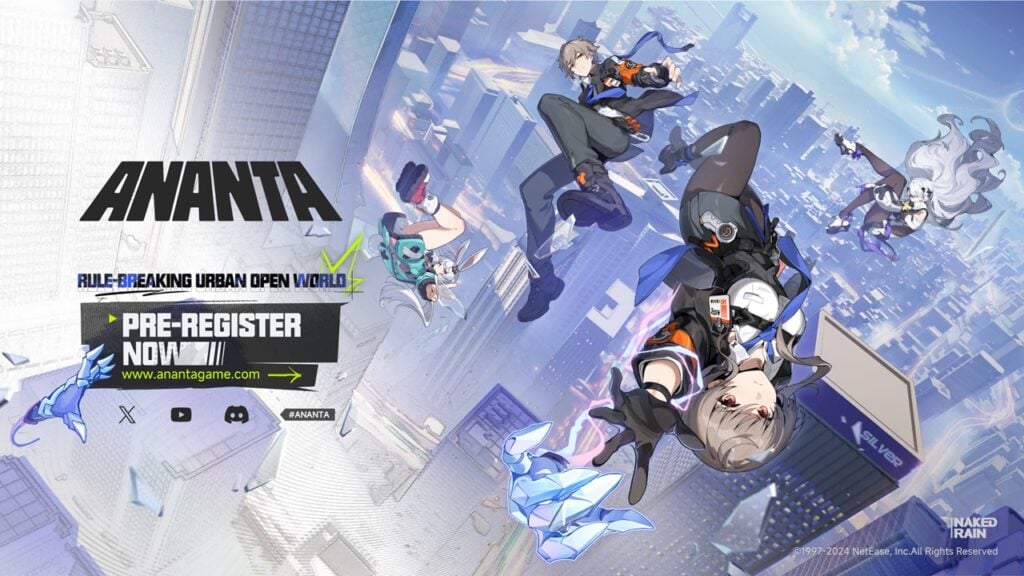
Ananta annonce une nouvelle bande-annonce
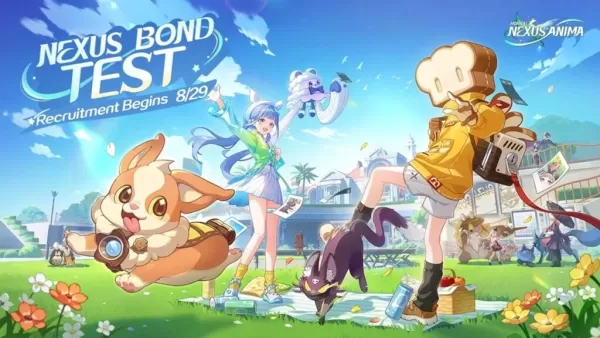
As of now, Nexus Anima (formerly known as Nexus: The Kingdom of the Stars) — a mobile RPG developed by Ponos and published by Scopely — has not officially entered a Closed Beta Test (CBT) phase. There have been no official announcements from Scopely or Ponos confirming a CBT for the game. However, here’s what you should know: Nexus Anima was initially announced as a new IP from Ponos, known for games like The Last of Us: Left Behind and Tales of the Lost. The game is being built on a sci-fi/fantasy fusion theme, with deep lore, character progression, and a focus on storytelling. While no CBT has been confirmed, fans have been eagerly awaiting any sign of official testing. Scopely and Ponos have been sharing teasers and concept art on social media (like Twitter/X and Instagram), so it’s possible a CBT may be announced in the near future. 👉 What to do now? Follow official channels: Scopely on Twitter/X Ponos on Instagram Visit the official website: https://nexusanima.com (if live) Sign up for early access or news alerts if available. Be cautious of fake CBT signups — only use official sources. 💡 Bottom Line: As of now, Nexus Anima does not have an active CBT. Keep an eye on official announcements for updates. If you hear about a CBT from a trusted source, make sure to verify it through Scopely or Ponos’ official platforms. Let me know if you want help spotting fake CBTs or setting up alerts!












-
1

Top de plateformes de streaming pour les sports en direct en 2025
Jun 18,2025
-
2

GTA 6 set pour la sortie de l'automne 2025, confirme le PDG
Apr 03,2025
-
3
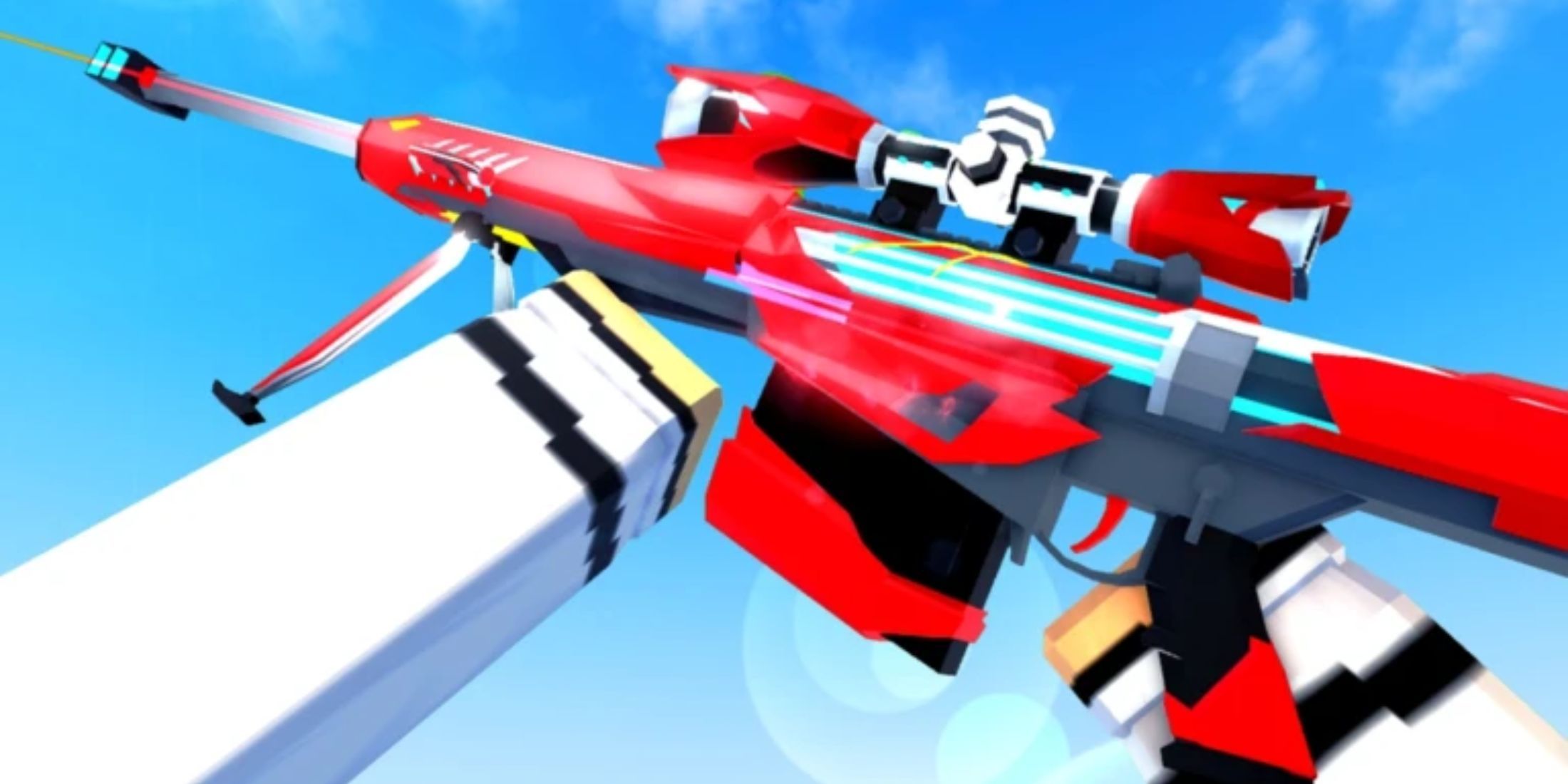
Roblox: codes CrossBlox (janvier 2025)
Mar 04,2025
-
4

Le premier ALGS en Asie apparaît au Japon
Jan 19,2025
-
5
![Liste de niveau des caractères Roblox Forrsaken [Mis à jour] (2025)](https://img.jdzca.com/uploads/18/17380116246797f3e8a8a39.jpg)
Liste de niveau des caractères Roblox Forrsaken [Mis à jour] (2025)
Mar 05,2025
-
6
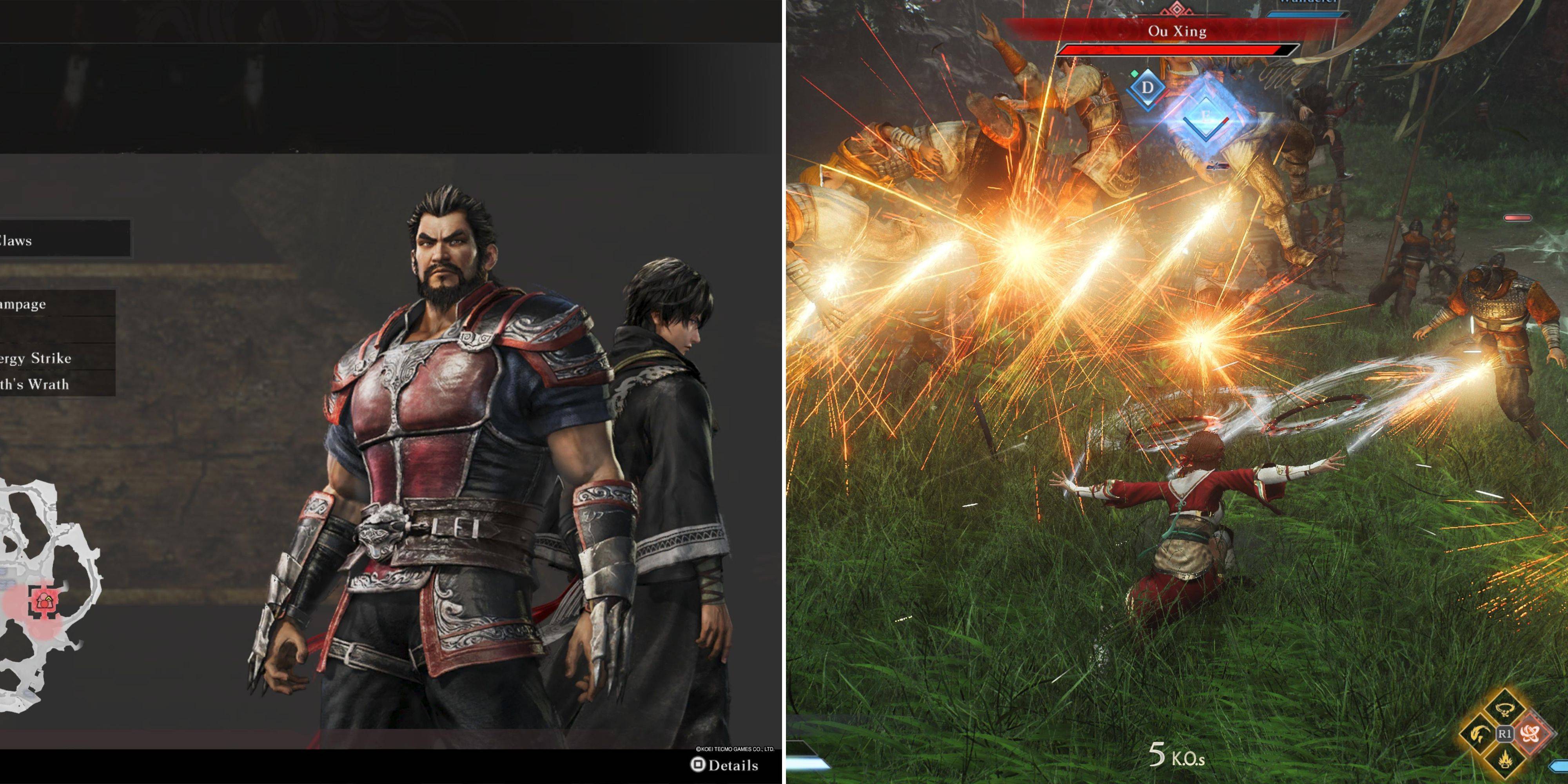
Présentation du guide ultime de l'échange de personnages sans couture dans Dynasty Warriors: Origins
Feb 25,2025
-
7
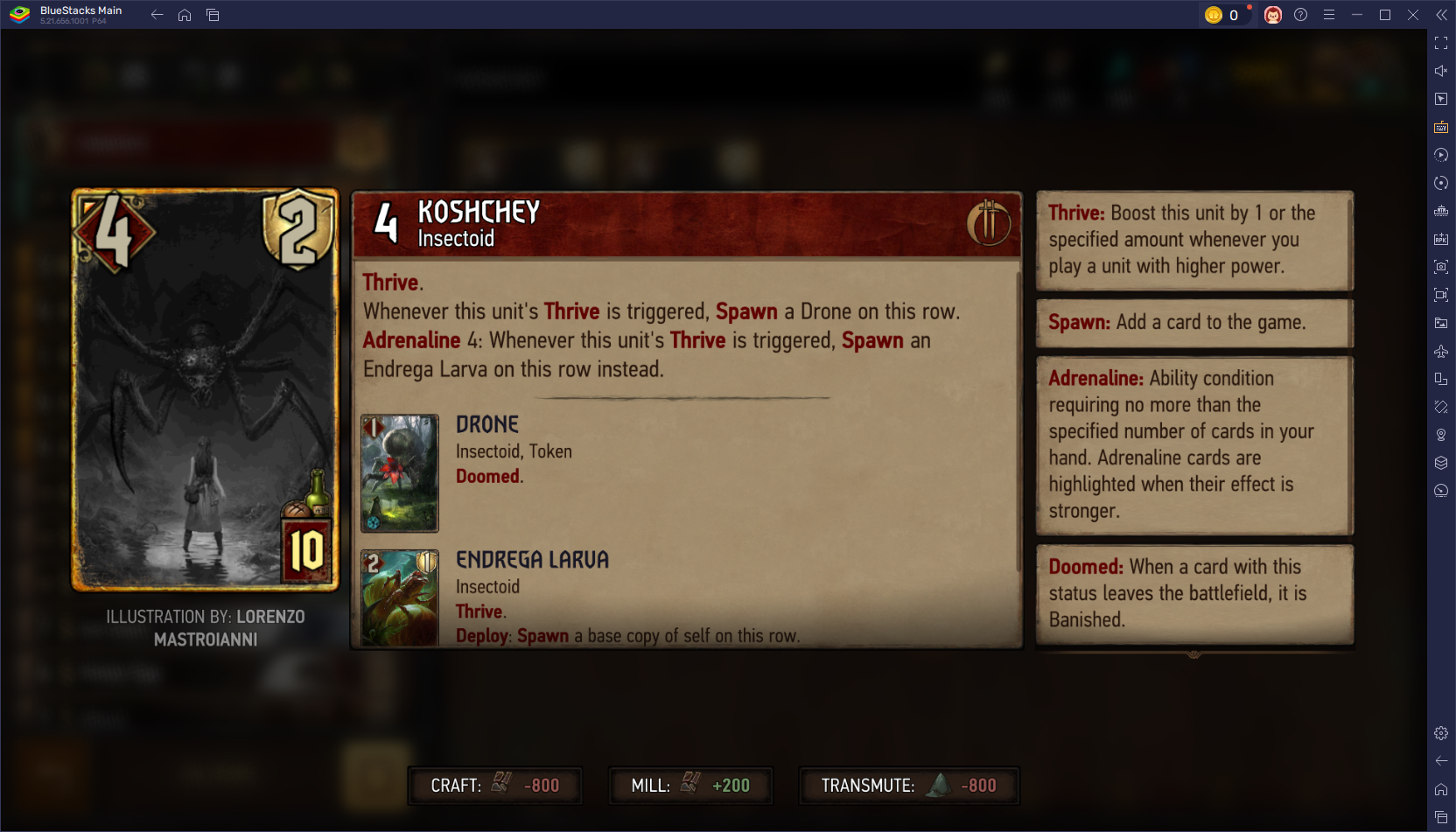
Gwent: Top 5 decks Witcher (mise à jour 2025)
Mar 13,2025
-
8
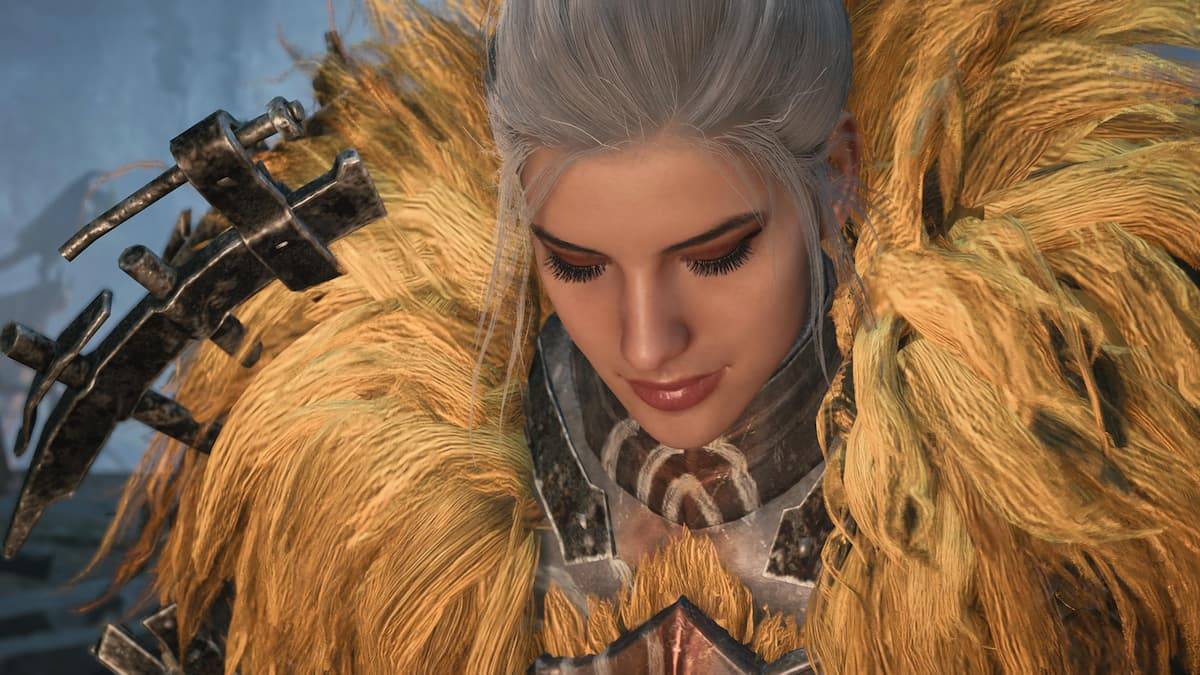
Ranque de chasseur Max dans Monster Hunter Wilds: Conseils pour augmenter
Apr 04,2025
-
9
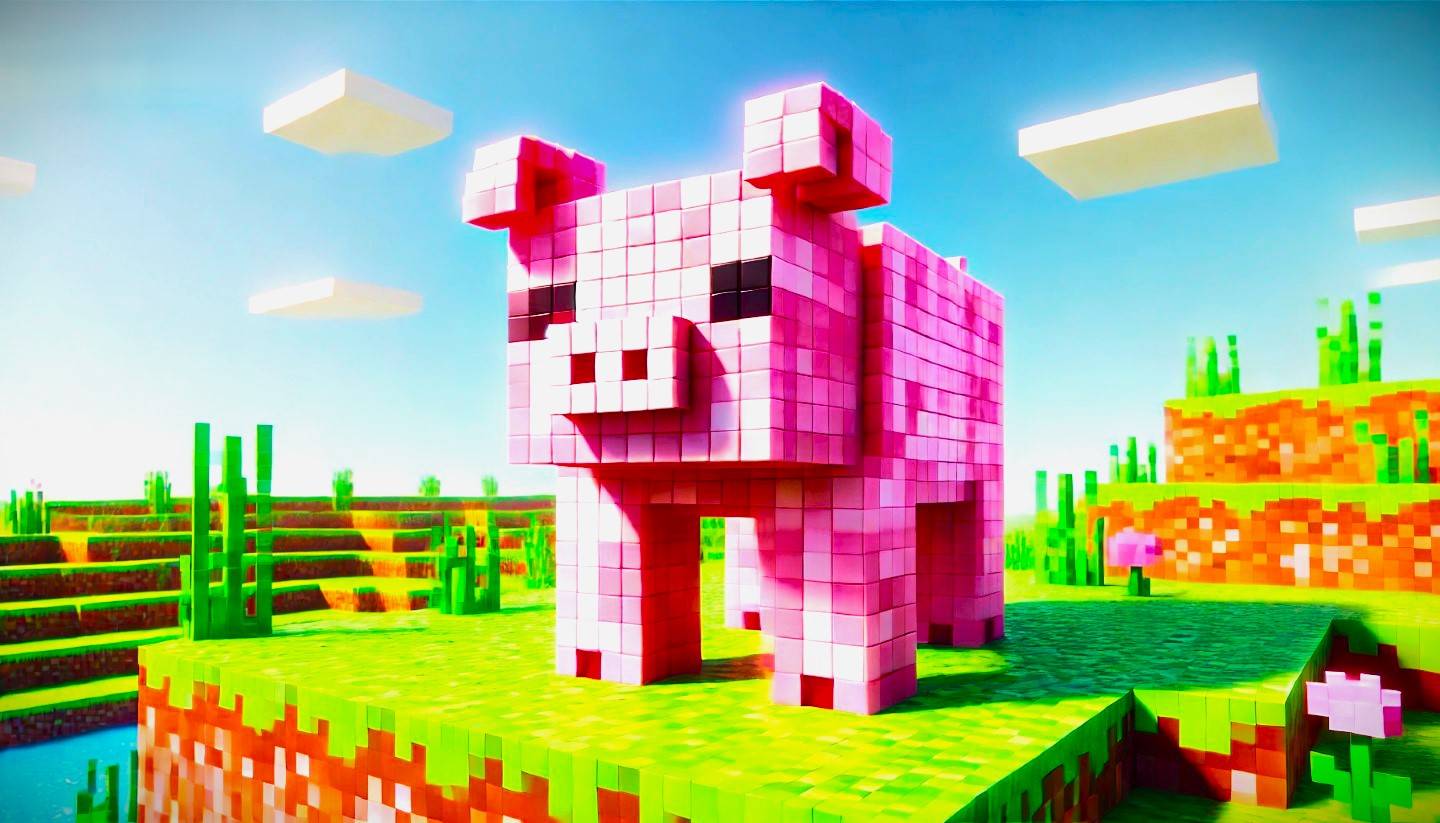
Mobes mignonnes dans Minecraft: porcs roses et pourquoi ils sont nécessaires
Mar 06,2025
-
10
Capcom Spotlight février 2025 présente Monster Hunter Wilds, Onimusha et plus
Apr 01,2025
-
Télécharger

Esquisse de portrait
La photographie / 37.12M
Mise à jour: Dec 17,2024
-
Télécharger

Friendship with Benefits
Occasionnel / 150.32M
Mise à jour: Dec 13,2024
-
Télécharger
F.I.L.F. 2
Occasionnel / 352.80M
Mise à jour: Dec 20,2024
-
4
[NSFW 18+] Sissy Trainer
-
5
Pocket Touch Simulation! for
-
6
Chubby Story [v1.4.2] (Localizations)
-
7
슬롯 마카오 카지노 - 정말 재미나는 리얼 슬롯머신
-
8
Life with a College Girl
-
9
Shuffles by Pinterest
-
10
Hunter Akuna