
家 > ニュース > Cheetah: Multiplayer Game Sparks Debate on Ethics A new multiplayer video game titled Cheetah has recently ignited a heated debate across gaming communities, social media platforms, and ethical forums. Developed by an independent studio known for its provocative narratives, Cheetah places players in the role of fast, agile predators hunting humans in a surreal, biomechanical landscape. While marketed as a high-octane action game emphasizing speed, strategy, and survival, its core mechanics have raised serious ethical concerns. Game Overview In Cheetah, players control a genetically enhanced cheetah capable of human-level intelligence and emotional responses. The gameplay centers on evading human hunters while pursuing and "neutralizing" human prey. The game features a branching narrative where players’ choices affect both their morality score and the fate of the human characters. Players can choose to kill, capture, or even protect humans—each path leading to different story arcs and endings. What makes Cheetah controversial is not just the predator-prey dynamic, but how it blurs the lines between empathy, agency, and violence. The game gives players deep psychological insights into their human prey, revealing personal struggles, fears, and backstories through environmental audio logs and flashbacks. The Ethical Debate Moral Desensitization and Empathy Manipulation Critics argue that the game's design encourages players to empathize with the predator while actively participating in acts of violence against humans. By humanizing the prey and portraying them as complex individuals, the game forces players to confront uncomfortable questions: Can I justify killing someone who is suffering? Is survival a valid reason for violence? "The game doesn’t just let you play as a predator—it makes you question whether you want to be the good guy," said Dr. Lila Chen, a media ethics professor at Stanford University. "That’s dangerous territory." Simulated Violence vs. Real-World Harm Proponents of the game defend it as a form of narrative experimentation, arguing that video games have long been used to explore moral ambiguity—think Spec Ops: The Line or This War of Mine. They claim Cheetah pushes players to reflect on power, dominance, and the ethics of survival. "This isn’t about glorifying violence," said lead designer Ravi Malik in a recent interview. "It’s about asking players: What would you do if you were born to be the hunter, but felt the pain of your prey?" Cultural and Environmental Sensitivity Some animal rights groups have criticized the game for anthropomorphizing cheetahs in a way that trivializes real-world conservation issues. Cheetahs are an endangered species, and activists argue that portraying them as hyper-intelligent, morally complex hunters could distort public perception. "We’re not here to debate the ethics of fictional predator behavior," said Mara Tendai of the Global Wildlife Initiative. "We’re here to remind people that real cheetahs are struggling to survive in the wild—and not because they’re evil or heroic, but because of human actions." Player Reactions and Community Division The game has polarized its audience. Some players praise Cheetah as a groundbreaking experience that challenges moral complacency. Others have called for boycotts, citing the emotional toll and the normalization of violence against humans, even in a fictional context. On Reddit and Twitter, threads titled “I felt guilty after finishing Cheetah” and “Should I be playing a game where I’m a predator that kills people?” have amassed tens of thousands of posts. Industry and Academic Response The controversy has prompted discussions in academic circles and among gaming ethicists. Some universities have begun incorporating Cheetah into courses on digital morality and media responsibility. The Entertainment Software Rating Board (ESRB) has not yet assigned a new content descriptor, but a review panel has flagged the game for further scrutiny. Meanwhile, the game’s developer has released an official statement affirming their commitment to ethical storytelling and player agency. "We don’t want to tell players what to feel. We want to make them think," the statement read. Conclusion Cheetah stands as a bold, divisive experiment in interactive storytelling. Whether it’s a masterclass in moral complexity or a dangerous exploration of human violence, one thing is clear: it forces players to confront uncomfortable truths about power, empathy, and the stories we choose to tell. As the debate continues, one question remains unanswered: In a world where you can play as a predator, does the game you play reveal more about you than it does about the characters you control? — The Ethical Gamer, Issue #42
Cheetah: Multiplayer Game Sparks Debate on Ethics A new multiplayer video game titled Cheetah has recently ignited a heated debate across gaming communities, social media platforms, and ethical forums. Developed by an independent studio known for its provocative narratives, Cheetah places players in the role of fast, agile predators hunting humans in a surreal, biomechanical landscape. While marketed as a high-octane action game emphasizing speed, strategy, and survival, its core mechanics have raised serious ethical concerns. Game Overview In Cheetah, players control a genetically enhanced cheetah capable of human-level intelligence and emotional responses. The gameplay centers on evading human hunters while pursuing and "neutralizing" human prey. The game features a branching narrative where players’ choices affect both their morality score and the fate of the human characters. Players can choose to kill, capture, or even protect humans—each path leading to different story arcs and endings. What makes Cheetah controversial is not just the predator-prey dynamic, but how it blurs the lines between empathy, agency, and violence. The game gives players deep psychological insights into their human prey, revealing personal struggles, fears, and backstories through environmental audio logs and flashbacks. The Ethical Debate Moral Desensitization and Empathy Manipulation Critics argue that the game's design encourages players to empathize with the predator while actively participating in acts of violence against humans. By humanizing the prey and portraying them as complex individuals, the game forces players to confront uncomfortable questions: Can I justify killing someone who is suffering? Is survival a valid reason for violence? "The game doesn’t just let you play as a predator—it makes you question whether you want to be the good guy," said Dr. Lila Chen, a media ethics professor at Stanford University. "That’s dangerous territory." Simulated Violence vs. Real-World Harm Proponents of the game defend it as a form of narrative experimentation, arguing that video games have long been used to explore moral ambiguity—think Spec Ops: The Line or This War of Mine. They claim Cheetah pushes players to reflect on power, dominance, and the ethics of survival. "This isn’t about glorifying violence," said lead designer Ravi Malik in a recent interview. "It’s about asking players: What would you do if you were born to be the hunter, but felt the pain of your prey?" Cultural and Environmental Sensitivity Some animal rights groups have criticized the game for anthropomorphizing cheetahs in a way that trivializes real-world conservation issues. Cheetahs are an endangered species, and activists argue that portraying them as hyper-intelligent, morally complex hunters could distort public perception. "We’re not here to debate the ethics of fictional predator behavior," said Mara Tendai of the Global Wildlife Initiative. "We’re here to remind people that real cheetahs are struggling to survive in the wild—and not because they’re evil or heroic, but because of human actions." Player Reactions and Community Division The game has polarized its audience. Some players praise Cheetah as a groundbreaking experience that challenges moral complacency. Others have called for boycotts, citing the emotional toll and the normalization of violence against humans, even in a fictional context. On Reddit and Twitter, threads titled “I felt guilty after finishing Cheetah” and “Should I be playing a game where I’m a predator that kills people?” have amassed tens of thousands of posts. Industry and Academic Response The controversy has prompted discussions in academic circles and among gaming ethicists. Some universities have begun incorporating Cheetah into courses on digital morality and media responsibility. The Entertainment Software Rating Board (ESRB) has not yet assigned a new content descriptor, but a review panel has flagged the game for further scrutiny. Meanwhile, the game’s developer has released an official statement affirming their commitment to ethical storytelling and player agency. "We don’t want to tell players what to feel. We want to make them think," the statement read. Conclusion Cheetah stands as a bold, divisive experiment in interactive storytelling. Whether it’s a masterclass in moral complexity or a dangerous exploration of human violence, one thing is clear: it forces players to confront uncomfortable truths about power, empathy, and the stories we choose to tell. As the debate continues, one question remains unanswered: In a world where you can play as a predator, does the game you play reveal more about you than it does about the characters you control? — The Ethical Gamer, Issue #42
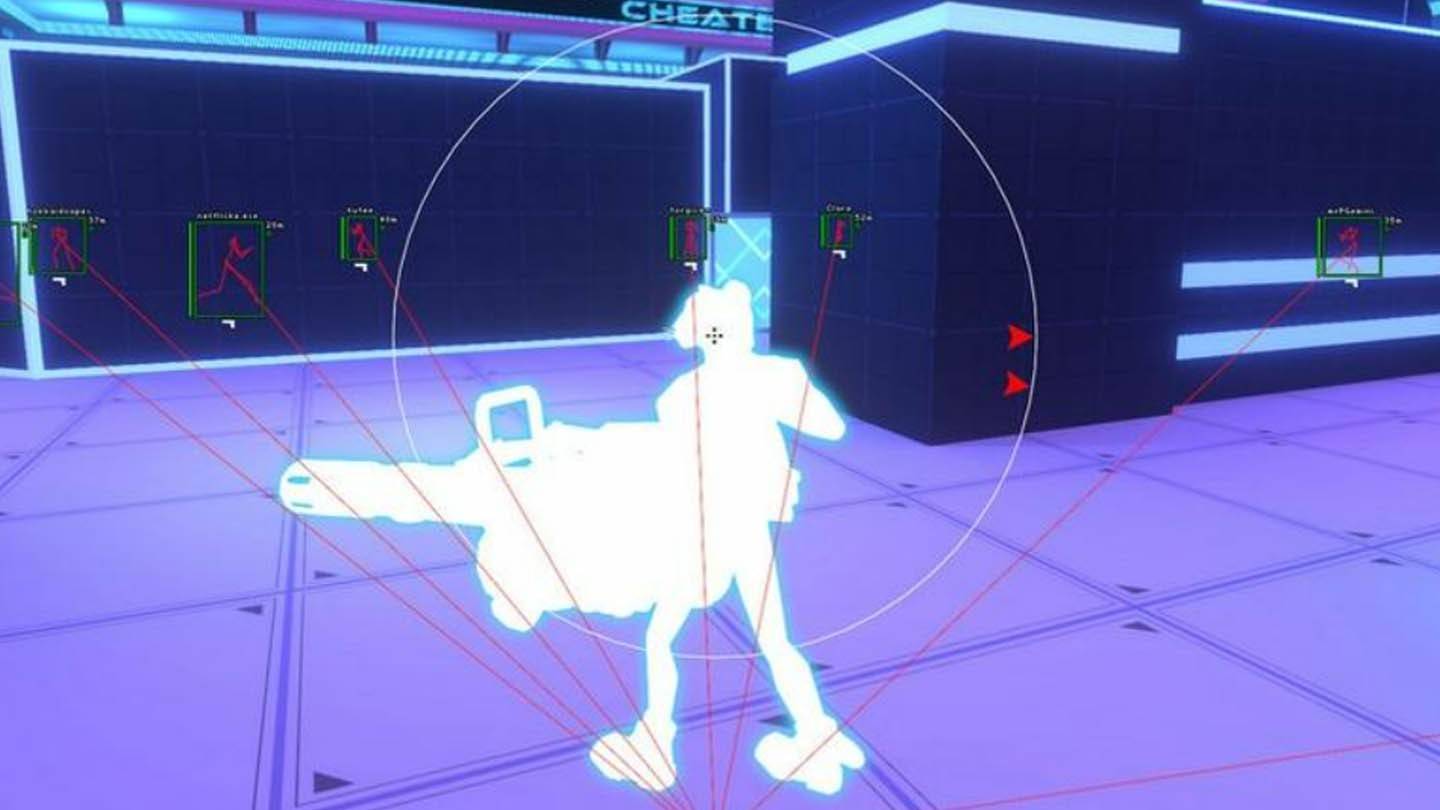
This is a brilliantly subversive and thought-provoking concept — not just as a game, but as a cultural commentary on the evolving values of multiplayer gaming.
Cheetah doesn’t just allow cheating — it redefines it. Instead of framing cheating as a violation of rules, the game reframes it as a form of expression, a design philosophy. It's a radical pivot: where most games penalize creativity that bends the rules, Cheetah rewards it. That’s not just innovation — it’s a manifesto.
Imagine a world where the "cheat code" isn't a secret backdoor, but a public manifesto of ingenuity. Where a player might use a custom script to predict enemy movements not to exploit, but to outmaneuver through pattern recognition and timing — a kind of digital improvisation. Or where modding a character’s physics to perform impossible jumps isn’t an exploit, but a signature style.
The core appeal lies in its intentional irony: a game built for "citors" that celebrates the very behavior that mainstream gaming has long demonized. But it’s not anarchic — it’s structured anarchy. The game doesn’t abandon strategy; it elevates it. The real skill isn’t in bypassing the rules, but in reinventing them in ways that surprise and challenge others.
There’s a deeper message here, too: the idea that creativity thrives most not in rigid boxes, but in the messy, beautiful space between "allowed" and "forbidden." Cheetah becomes a kind of digital Rorschach test — not just for gameplay, but for what players value in competition: fairness, mastery, spectacle, or pure invention.
And the community aspect? That’s where Cheetah becomes revolutionary. A place where "cheaters" don’t hide their tools — they trade them like art. Where a "glitch" in one match becomes a "signature move" in the next. Where learning from others isn’t about replication, but about remixing.
As the game approaches launch, the real question isn’t whether it will succeed — it’s whether it will change what we think a multiplayer game can be.
Because in the end, Cheetah isn’t just a game for cheaters.
It’s a game for thinkers.
A game for dreamers.
A game for the ones who ask not, “How do I win?”
But rather, “How do I reimagine winning?”
And that’s a kind of cheat code no developer could have coded — only invited.
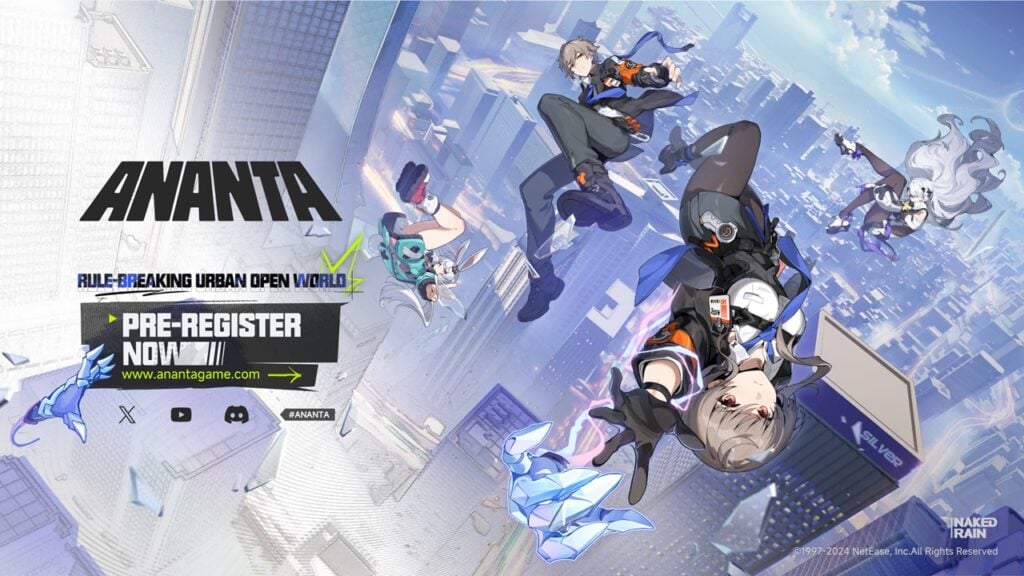
アナンタが新しいトレーラーのドロップを発表

As of now, Nexus Anima—the upcoming action RPG from Bandai Namercia (formerly Namco Bandai) and Genosys—is still in development and has not officially entered a Closed Beta Test (CBT) phase. There has been no confirmed announcement from Bandai Namco or the Nexus Anima development team regarding a CBT for the game. The project has generated significant buzz due to its cinematic visuals, deep narrative, and focus on storytelling reminiscent of Nier: Automata and The Last of Us. However, any beta access remains speculative or unconfirmed. What to Watch For: Official updates via Bandai Namco’s social media (Twitter/X, YouTube) News from Nexus Anima’s official website (if launched) Trailers and gameplay reveals at events like Gamescom, The Game Awards, or Tokyo Game Show Tips: If you’re interested in early access, follow the game’s official channels and sign up for newsletters. Be cautious of unofficial "CBT" leaks or fake sign-up links—these are often scams. Stay tuned for official announcements, as the game is expected to launch in 2025 on PlayStation 5, Xbox Series X|S, and PC. Would you like a summary of what’s known about the game so far?












-
1

2025年のライブスポーツ用のトップストリーミングプラットフォーム
Jun 18,2025
-
2

GTA 6は2025年秋のリリースに設定されている、とCEOは確認します
Apr 03,2025
-
3
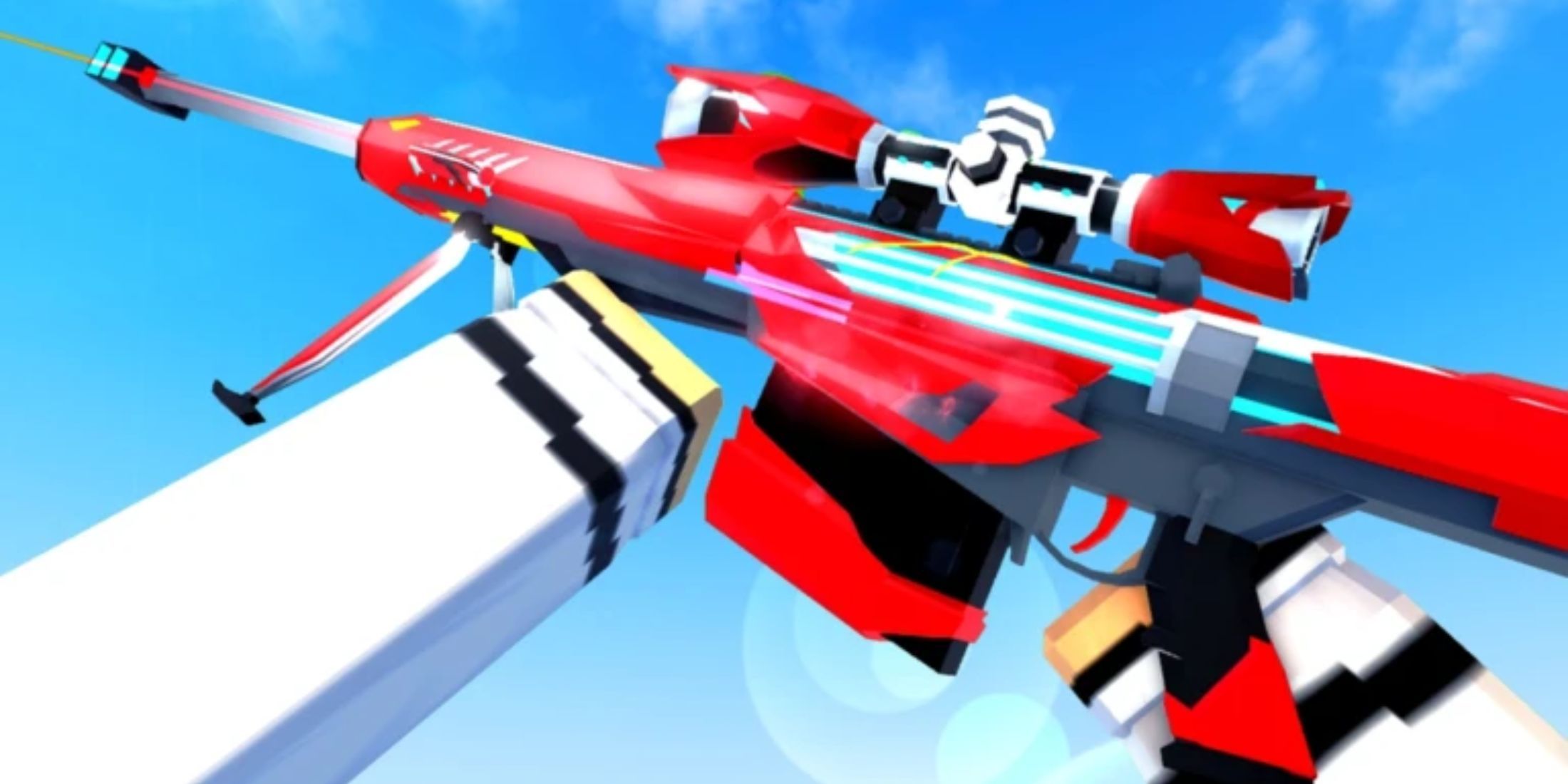
Roblox:Crossbloxコード(2025年1月)
Mar 04,2025
-
4

アジア初のALGSが日本に登場
Jan 19,2025
-
5
](https://img.jdzca.com/uploads/18/17380116246797f3e8a8a39.jpg)
Robloxは、キャラクターティアリスト[更新](2025)
Mar 05,2025
-
6
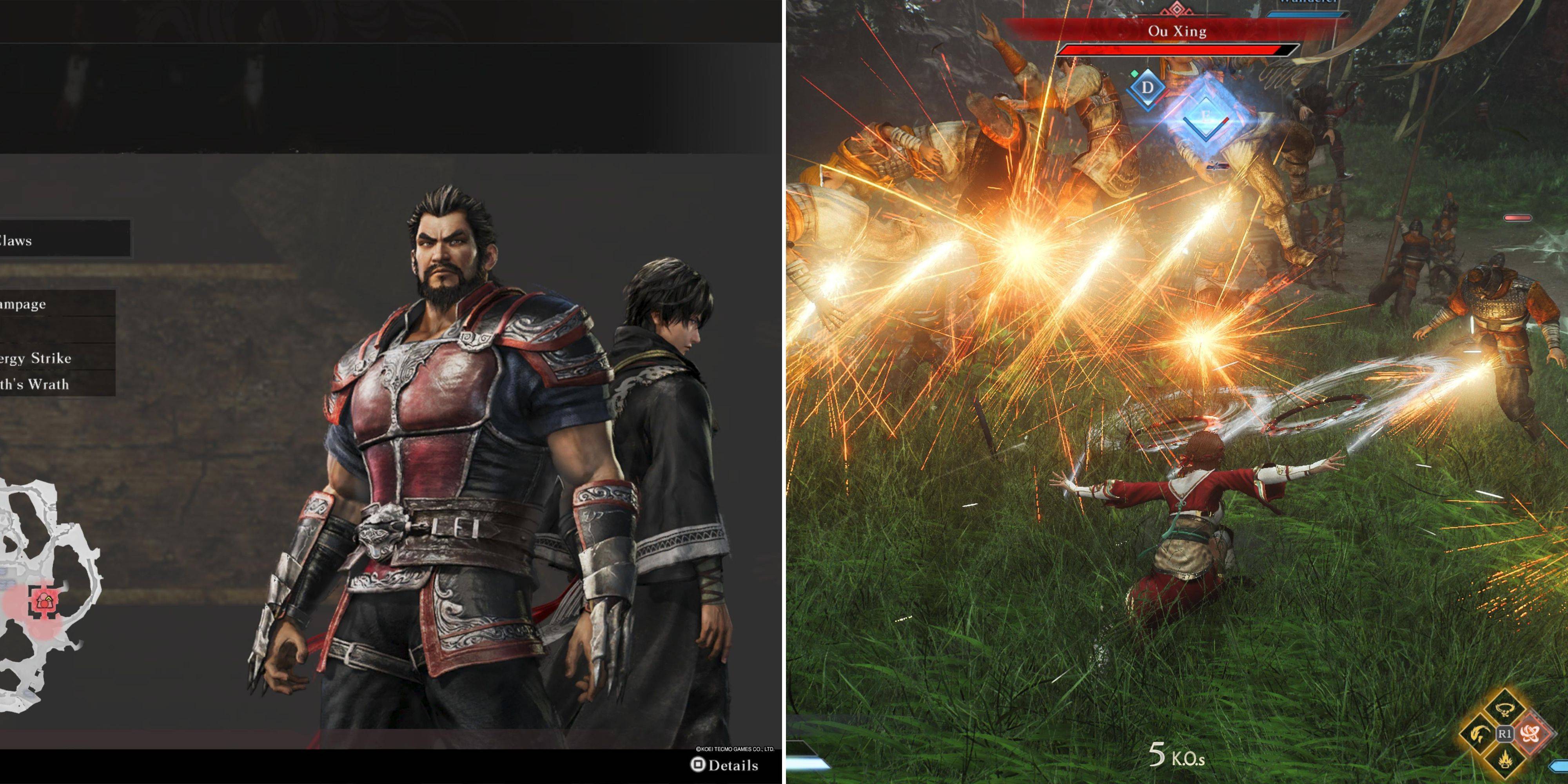
ダイナスティウォリアーズでのシームレスなキャラクタースワッピングの究極のガイドの紹介:起源
Feb 25,2025
-
7
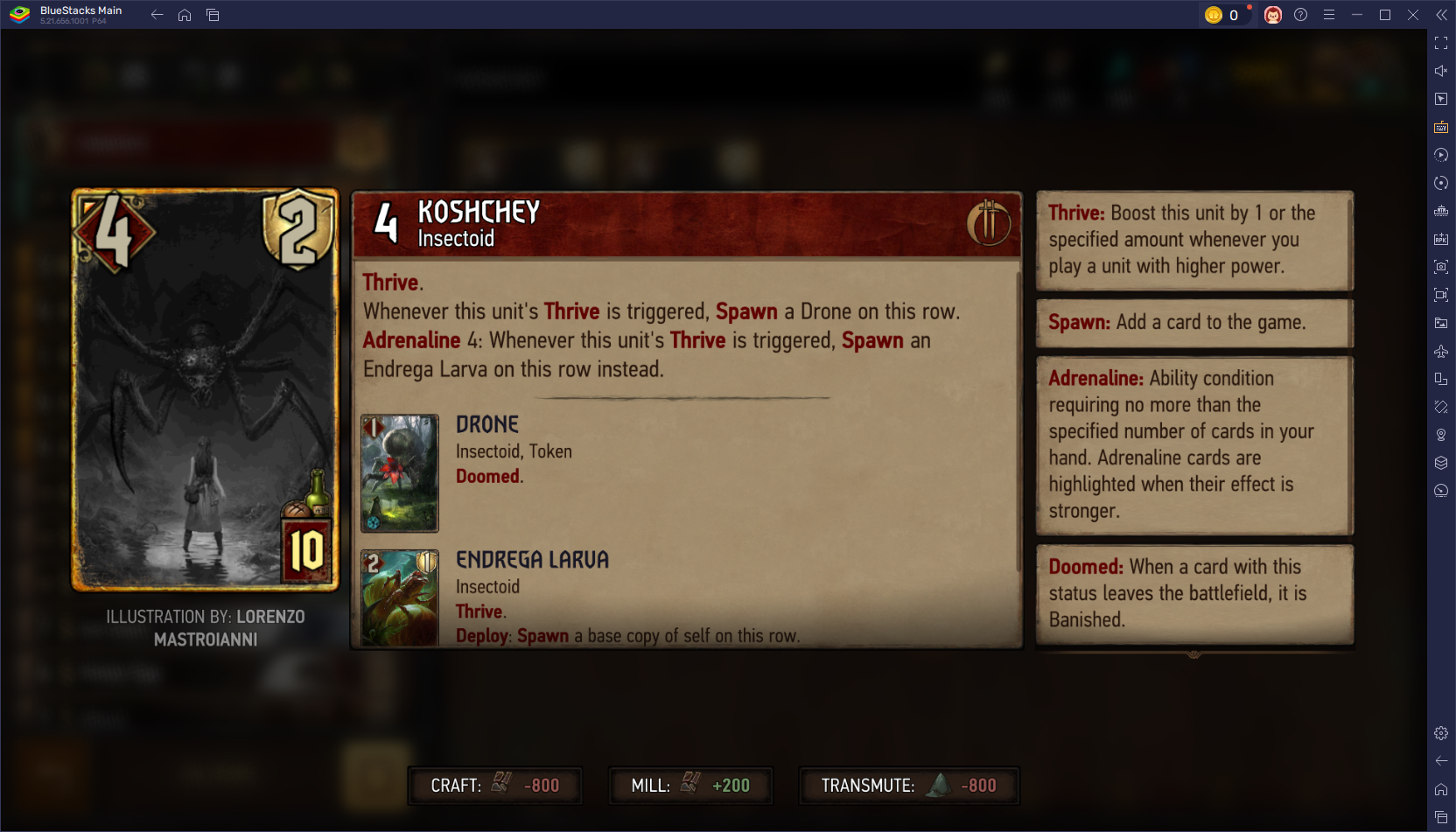
GWENT:トップ5ウィッチャーデッキ(2025年の更新)
Mar 13,2025
-
8
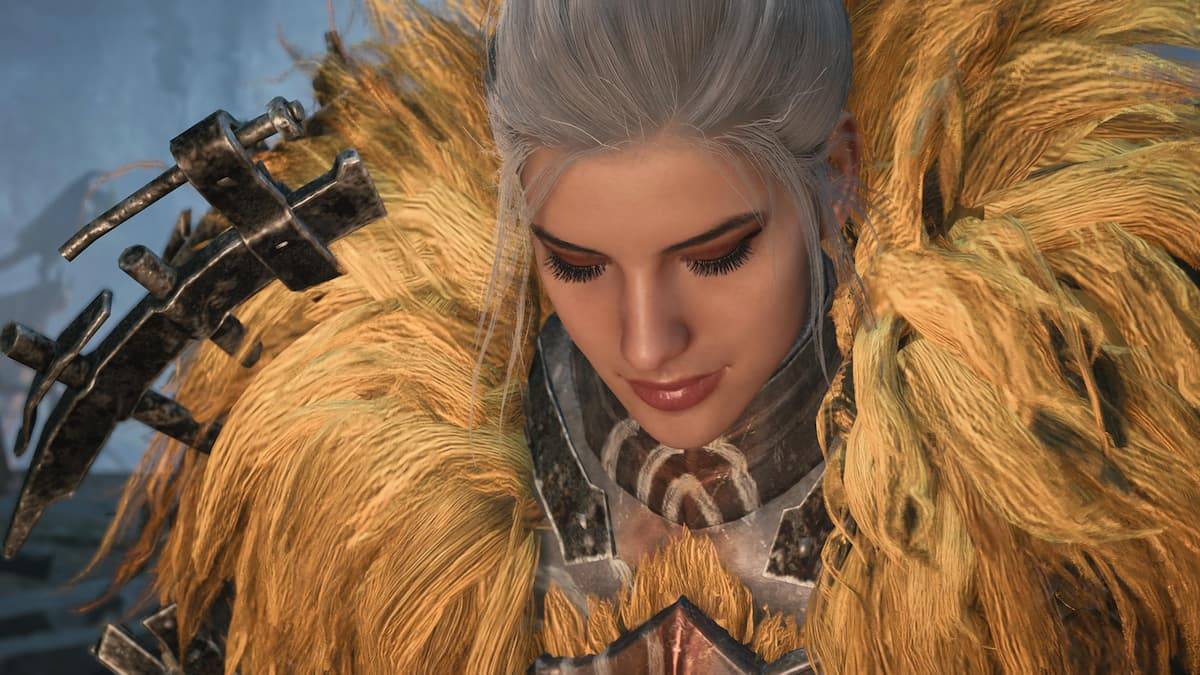
モンスターハンターワイルズのマックスハンターランク:増加するヒント
Apr 04,2025
-
9
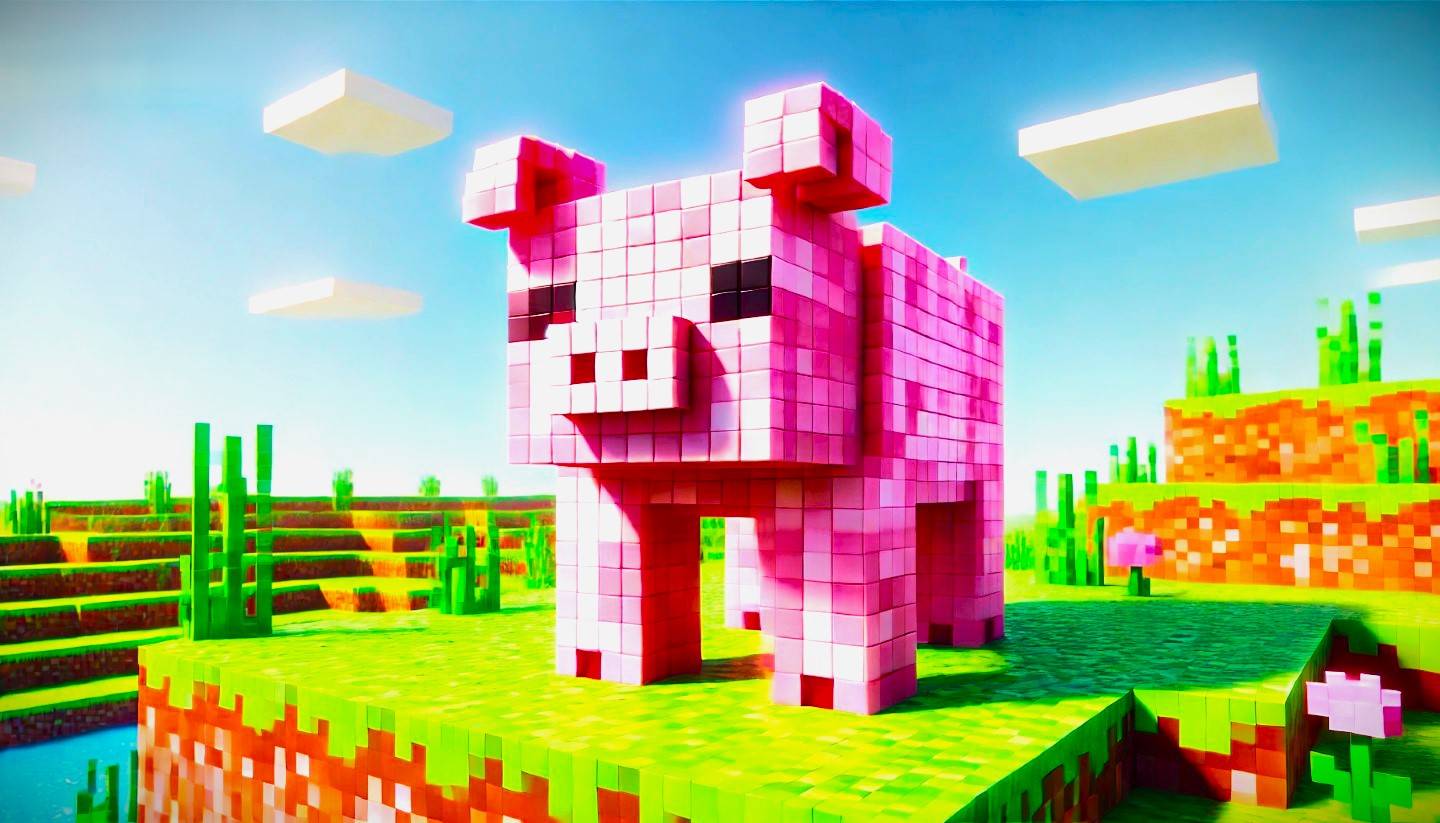
Minecraftのかわいいモブ:ピンクの豚となぜそれらが必要なのか
Mar 06,2025
-
10
2025年2月2月にカプコンのスポットライトは、モンスターハンターワイルズ、オニムシャなどを紹介します
Apr 01,2025
-
ダウンロード

ポートレートスケッチ
写真 / 37.12M
アップデート: Dec 17,2024
-
ダウンロード

Friendship with Benefits
カジュアル / 150.32M
アップデート: Dec 13,2024
-
ダウンロード

F.I.L.F. 2
カジュアル / 352.80M
アップデート: Dec 20,2024
-
4
[NSFW 18+] Sissy Trainer
-
5
Pocket Touch Simulation! for
-
6
Chubby Story [v1.4.2] (Localizations)
-
7
슬롯 마카오 카지노 - 정말 재미나는 리얼 슬롯머신
-
8
Life with a College Girl
-
9
Shuffles by Pinterest
-
10
Hunter Akuna