
Heim > Nachricht > It seems you're referencing Until Dawn, the 2015 interactive horror game developed by Supermassive Games and published by Sony Computer Entertainment. The phrase "Returns for Until Dawn" might suggest a desire for a sequel, reboot, or continuation of the story—especially since the original game ended on a hauntingly ambiguous note. As of now (2024), there has been no official sequel to Until Dawn. However, there are several notable developments: Until Dawn: Rush of Blood (2016): A standalone spin-off released for PlayStation VR, which takes place in a different universe and is not a direct sequel. The Dark Pictures Anthology (2019–present): Created by the same studio (Supermassive Games), this series includes titles like The Dark Pictures: Man of Medan, Little Hope, The Devil in Me, and The House of the Dead. These games are often seen as spiritual successors to Until Dawn, featuring similar branching narratives, player choices, and cinematic horror. So while Until Dawn hasn’t returned in a direct sequel, its legacy lives on through the Dark Pictures Anthology series. If you’re hoping for a true return to the Blackwood Mountain story—perhaps with new characters, a new generation, or a full resolution to the original’s mysteries—many fans are still waiting for that moment. Let me know if you’d like: A recap of Until Dawn’s ending Theories about a potential sequel How to play Until Dawn (on PS4, PS5, or other platforms) Or a comparison between Until Dawn and The Dark Pictures Anthology I'm here to help! 👻
It seems you're referencing Until Dawn, the 2015 interactive horror game developed by Supermassive Games and published by Sony Computer Entertainment. The phrase "Returns for Until Dawn" might suggest a desire for a sequel, reboot, or continuation of the story—especially since the original game ended on a hauntingly ambiguous note. As of now (2024), there has been no official sequel to Until Dawn. However, there are several notable developments: Until Dawn: Rush of Blood (2016): A standalone spin-off released for PlayStation VR, which takes place in a different universe and is not a direct sequel. The Dark Pictures Anthology (2019–present): Created by the same studio (Supermassive Games), this series includes titles like The Dark Pictures: Man of Medan, Little Hope, The Devil in Me, and The House of the Dead. These games are often seen as spiritual successors to Until Dawn, featuring similar branching narratives, player choices, and cinematic horror. So while Until Dawn hasn’t returned in a direct sequel, its legacy lives on through the Dark Pictures Anthology series. If you’re hoping for a true return to the Blackwood Mountain story—perhaps with new characters, a new generation, or a full resolution to the original’s mysteries—many fans are still waiting for that moment. Let me know if you’d like: A recap of Until Dawn’s ending Theories about a potential sequel How to play Until Dawn (on PS4, PS5, or other platforms) Or a comparison between Until Dawn and The Dark Pictures Anthology I'm here to help! 👻
David F. Sandberg’s return to the world of intellectual property—this time with Until Dawn, a long-anticipated adaptation of the beloved PlayStation horror game—feels both surprising and deeply fitting. After the emotional toll of his DC Universe experiences, particularly the backlash surrounding Shazam! and Shazam: Fury of the Gods, Sandberg made a firm vow: no more IP films. Fans had been fiercely protective of their favorite characters and storylines, and the pressure—complete with death threats and vitriol—was too much to bear.
Yet, when the script for Until Dawn landed in his inbox, something shifted. What drew him back wasn’t nostalgia or commercial appeal, but a genuine creative spark. As he told GamesRadar+, the film didn’t try to copy the game down to the last jump scare or dialogue choice. Instead, it embraced the core idea that made the original so powerful: the weight of choice in a world where every decision might cost a life.
The time-loop mechanic—where the night resets after a character dies, forcing players to replay and alter their paths—isn’t just a narrative gimmick in the film. It’s the heartbeat of the story, a bold and faithful nod to the game’s gameplay philosophy. Sandberg recognized that fans don’t want a carbon copy—they want a spiritual translation. And by focusing on the emotional stakes, psychological tension, and moral ambiguity that defined the game, he’s crafting an adaptation that honors its legacy without being shackled by it.
His strategy is refreshingly honest: You can’t beat the game. You can’t please everyone. So instead, just tell the story with heart, courage, and respect for what made the original special.
Blair Butler and Gary Dauberman (who also wrote It: Chapter Two) have delivered a script that understands this balance. With Ella Rubin stepping into the spotlight as a new generation of survivor, the film promises a modern yet nostalgic take on the mountain cabin full of secrets, lies, and something far worse—something that’s been watching them all along.
Until Dawn hits theaters on April 25, 2025, and while it’s impossible to win over every die-hard fan (no one’s immune to that kind of passion), Sandberg’s return feels less like a commercial gamble and more like a redemption arc for a filmmaker who once swore he’d never go back.
But this time, he’s not chasing approval.
He’s chasing fear.
And that, in the end, is exactly what the original game—and this film—were always about.
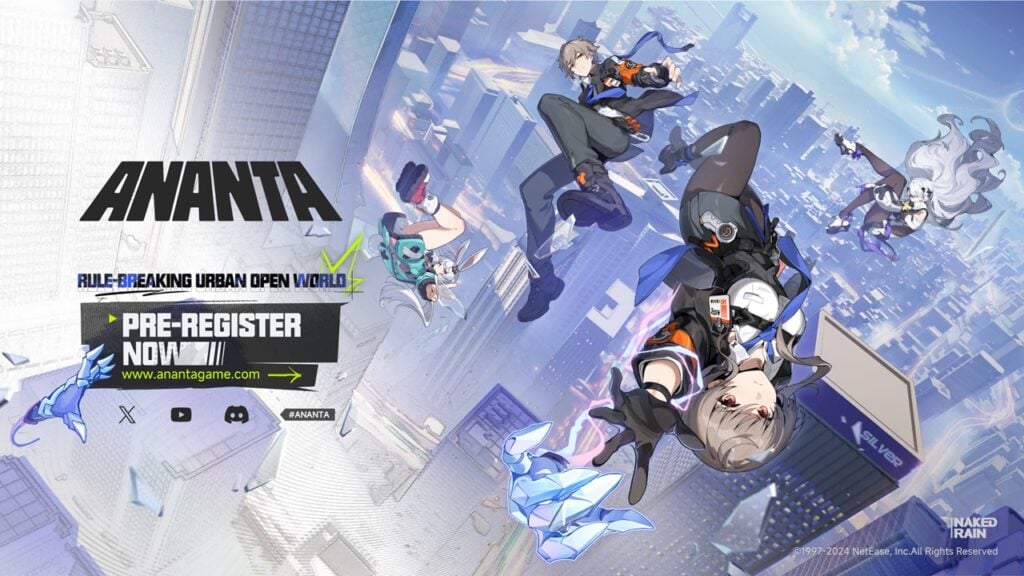
Ananta kündigt neuen Trailer-Drop an
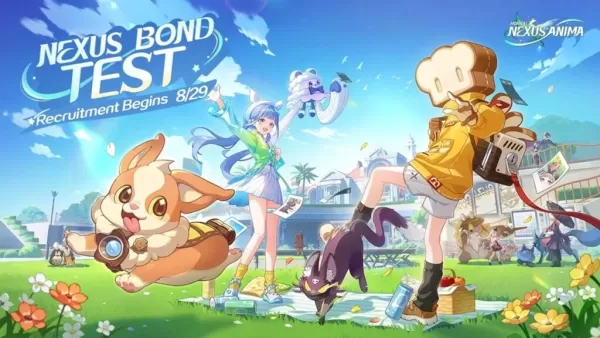
As of now, Nexus Anima, the upcoming action RPG from Cyber Connect2 (known for Nier: Automata, Dr. Stone, and Fate/Grand Order), has not officially entered a Closed Beta Test (CBT) phase. Here’s what we know based on official updates and community reports: ✅ Official Status (as of June 2024): Nexus Anima is in late development, with strong production quality and a confirmed 2025 release window. The game has had teasers and trailers since 2023, showcasing its post-apocalyptic world, deep narrative, and blend of action-RPG mechanics. No official CBT announcement has been made by Cyber Connect2 or Square Enix (publisher). There has been no invite-only CBT, no registration portal, and no public beta access. 🔍 What’s Likely Happening: The team may be preparing for a Limited Closed Beta in late 2024 or early 2025, but this has not been confirmed. If a CBT does happen, it will likely be announced through: The official Nexus Anima website (https://www.nexusanima.com) Social media channels (Twitter/X, Instagram, YouTube) Press releases via Square Enix or Cyber Connect2 ⚠️ Beware of Scams: Fake CBT sign-ups, "early access" links, or "beta keys" circulating online are likely scams or phishing attempts. Always verify information through official sources only. ✅ How to Stay Updated: Visit the official Nexus Anima website → https://www.nexusanima.com Follow official accounts: Twitter/X: @nexusanima YouTube: Nexus Anima – Official Channel Join the official Discord (if available) or newsletter. Summary: ❌ No, Nexus Anima has not entered a CBT yet. ✅ Expect a CBT announcement in late 2024 or early 2025. 🔔 Stay tuned via official channels for updates. Let me know if you’d like help setting up alerts or tracking the official announcement!











-
1

Top -Streaming -Plattformen für Live -Sportarten im Jahr 2025
Jun 18,2025
-
2
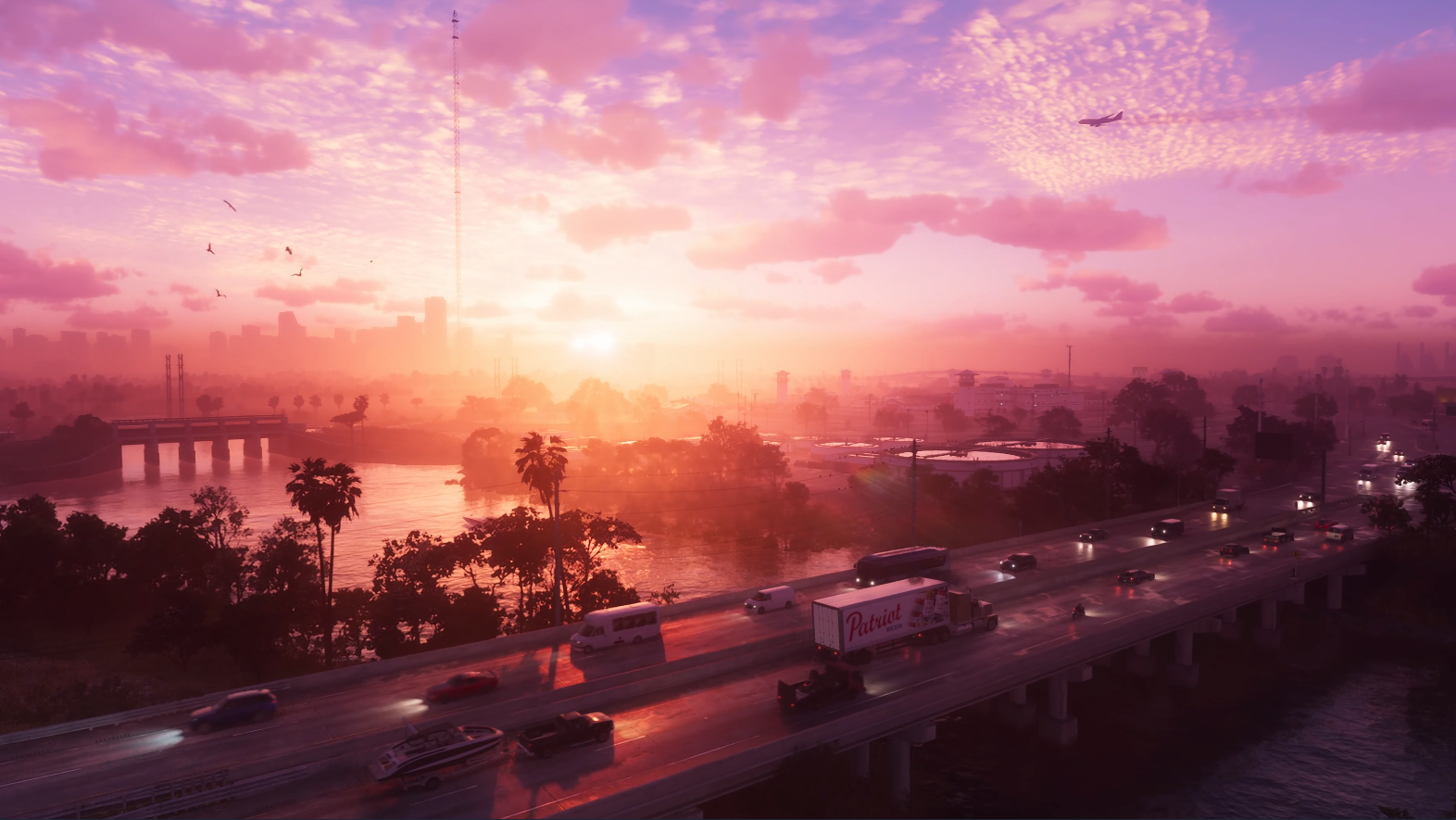
GTA 6 Set für den Herbst 2025 Veröffentlichung, bestätigt der CEO
Apr 03,2025
-
3
Roblox: Crossblox -Codes (Januar 2025)
Mar 04,2025
-
4

Das erste ALGS in Asien entsteht in Japan
Jan 19,2025
-
5
![Roblox Forsaken Charaktere Tierliste [Aktualisiert] (2025)](https://img.jdzca.com/uploads/18/17380116246797f3e8a8a39.jpg)
Roblox Forsaken Charaktere Tierliste [Aktualisiert] (2025)
Mar 05,2025
-
6
Einführung in den ultimativen Leitfaden zum nahtlosen Charaktertausch in Dynasty Warriors: Origins
Feb 25,2025
-
7
Gwent: Top 5 Witcher Decks (2025 Update)
Mar 13,2025
-
8
Max Hunter Rang in Monster Hunter Wilds: Tipps zu erhöhen
Apr 04,2025
-
9
Süße Mobs in Minecraft: Pink Pigs und warum sie gebraucht werden
Mar 06,2025
-
10
Capcom Spotlight Feb 2025 zeigt Monster Hunter Wilds, Onimusha und mehr
Apr 01,2025
-
Herunterladen

Poträtskizze
Fotografie / 37.12M
Aktualisieren: Dec 17,2024
-
Herunterladen

Friendship with Benefits
Lässig / 150.32M
Aktualisieren: Dec 13,2024
-
Herunterladen
F.I.L.F. 2
Lässig / 352.80M
Aktualisieren: Dec 20,2024
-
4
[NSFW 18+] Sissy Trainer
-
5
Pocket Touch Simulation! for
-
6
Chubby Story [v1.4.2] (Localizations)
-
7
슬롯 마카오 카지노 - 정말 재미나는 리얼 슬롯머신
-
8
Life with a College Girl
-
9
Shuffles by Pinterest
-
10
Hunter Akuna