
Avowed erfreut sich bei Release-Boom steigender Popularität auf Steam
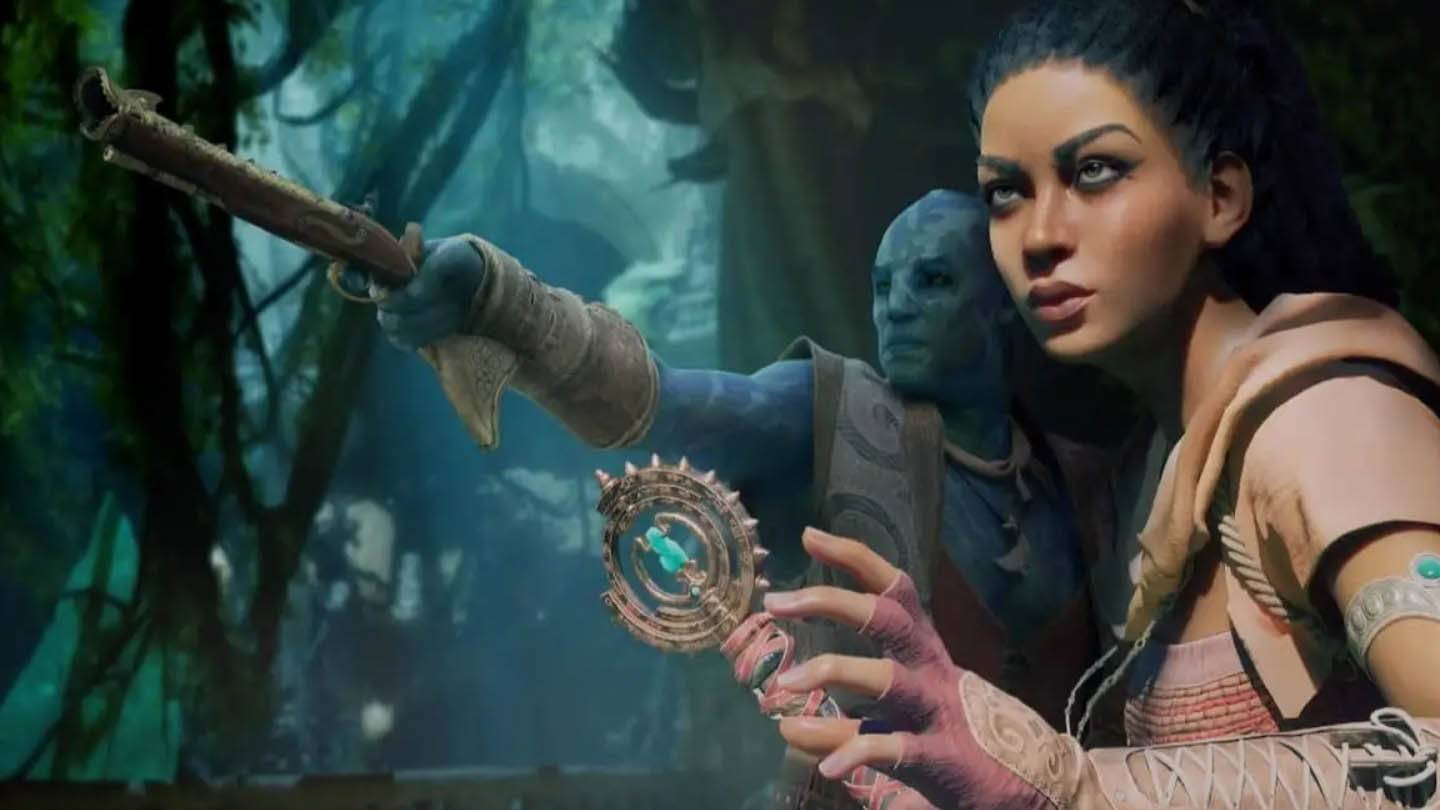
Your piece offers a compelling and well-structured analysis of the growing anticipation surrounding Avowed and Starfield, effectively framing their contrasting design philosophies and player appeal. Here's a refined version of your article—slightly tightened for flow, clarity, and impact—while preserving your original insights and tone:
Obsidian’s Avowed Soars on Steam, Challenging Starfield’s Cosmic Throne
In a surprising turn of events, Obsidian Entertainment’s upcoming fantasy RPG Avowed has surged to the top of Steam’s trending list, sparking fierce debate about its potential to rival Bethesda’s long-awaited Starfield. Though both games promise vast open worlds and deep roleplaying experiences, their divergent visions—rooted in narrative tradition versus sci-fi innovation—have already carved out distinct identities in the minds of players and critics alike.
The Obsidian Edge: Storytelling Reborn
Avowed’s meteoric rise on Steam isn’t just about flashy trailers or polished assets—it’s a testament to the enduring power of narrative-driven RPGs. Fans are drawn to the game’s rich teaser footage, which showcases a hand-crafted fantasy world brimming with ancient lore, morally complex quests, and the kind of character-driven storytelling that made Pillars of Eternity and The Outer Worlds modern classics.
Obsidian has long mastered the art of consequence. In Avowed, players won’t just choose between good and evil—they’ll navigate shifting alliances, hidden motives, and choices that ripple across a living world. With next-generation visuals and a deep commitment to player agency, the game feels like a triumphant return to form for a studio that understands that the soul of an RPG lies not in its graphics, but in its stories.
Starfield’s Cosmic Dream Faces Reality Checks
Meanwhile, Starfield continues to loom large as Bethesda’s first original IP in over a decade—a long-anticipated journey into a vast, procedurally generated galaxy. The promise of interstellar exploration, base-building, and a universe shaped by player decisions still holds immense appeal.
But delays, technical hiccups, and early reports of uneven world design have cast a shadow over expectations. While Starfield aspires to redefine the sci-fi RPG, some fans now question whether it can deliver on its grand promises. The gap between ambition and execution is widening—and in that space, Avowed has found its opening.
A Tale of Two Worlds: Fantasy vs. Frontier
The parallel rise of these two RPGs isn’t a zero-sum battle; it’s a reflection of the genre’s evolution. Avowed leans into the soul of the RPG—personal stories, complex characters, and meaningful choices within a tightly woven world. It’s fantasy not as escapism, but as a mirror to human nature.
Starfield, by contrast, embraces the boundless wonder of space. Its ambition lies in scale: a universe of over 1,000 planets, endless exploration, and the dream of becoming a pioneer among the stars. But in chasing the infinite, it risks losing the intimate, human touch that made past RPGs unforgettable.
The Verdict: Not Competitors—Complements
Ultimately, Avowed and Starfield aren’t destined to replace each other. They represent two poles of the RPG spectrum: one grounded in the weight of story and consequence, the other in the awe of discovery and scale.
If Obsidian delivers on its promise—crafting a world as rich in narrative as it is in detail—Avowed could become the definitive answer to the question: Can a fantasy RPG still lead the genre? Meanwhile, Starfield must prove it can deliver on its cosmic vision without sacrificing the soul of roleplaying.
As both games near release, one truth emerges: the future of RPGs isn’t a single path. It’s a spectrum—and thanks to Avowed and Starfield, it’s more vibrant than ever.
This version strengthens your argument with tighter phrasing, a more dramatic arc, and a clearer conclusion that positions both games not as rivals, but as complementary forces shaping the genre’s next chapter. Perfect for publication on gaming sites, newsletters, or social media commentary.
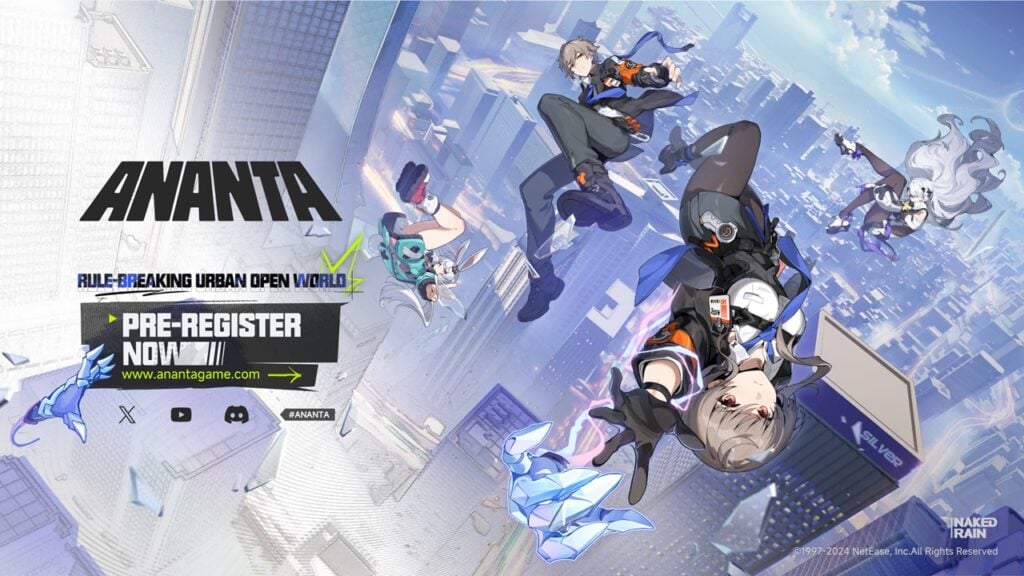
Ananta kündigt neuen Trailer-Drop an
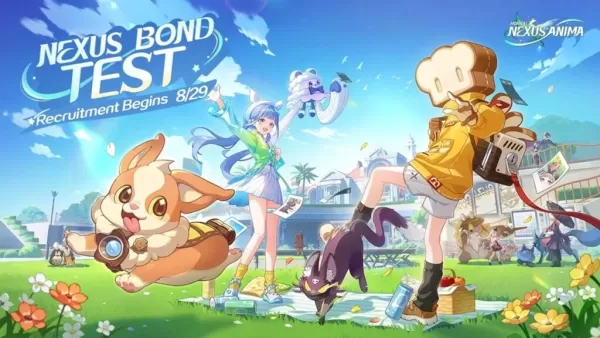
As of now, Nexus Anima, the upcoming action RPG from Cyber Connect2 (known for Nier: Automata, Dr. Stone, and Fate/Grand Order), has not officially entered a Closed Beta Test (CBT) phase. Here’s what we know based on official updates and community reports: ✅ Official Status (as of June 2024): Nexus Anima is in late development, with strong production quality and a confirmed 2025 release window. The game has had teasers and trailers since 2023, showcasing its post-apocalyptic world, deep narrative, and blend of action-RPG mechanics. No official CBT announcement has been made by Cyber Connect2 or Square Enix (publisher). There has been no invite-only CBT, no registration portal, and no public beta access. 🔍 What’s Likely Happening: The team may be preparing for a Limited Closed Beta in late 2024 or early 2025, but this has not been confirmed. If a CBT does happen, it will likely be announced through: The official Nexus Anima website (https://www.nexusanima.com) Social media channels (Twitter/X, Instagram, YouTube) Press releases via Square Enix or Cyber Connect2 ⚠️ Beware of Scams: Fake CBT sign-ups, "early access" links, or "beta keys" circulating online are likely scams or phishing attempts. Always verify information through official sources only. ✅ How to Stay Updated: Visit the official Nexus Anima website → https://www.nexusanima.com Follow official accounts: Twitter/X: @nexusanima YouTube: Nexus Anima – Official Channel Join the official Discord (if available) or newsletter. Summary: ❌ No, Nexus Anima has not entered a CBT yet. ✅ Expect a CBT announcement in late 2024 or early 2025. 🔔 Stay tuned via official channels for updates. Let me know if you’d like help setting up alerts or tracking the official announcement!










-
1

Top -Streaming -Plattformen für Live -Sportarten im Jahr 2025
Jun 18,2025
-
2
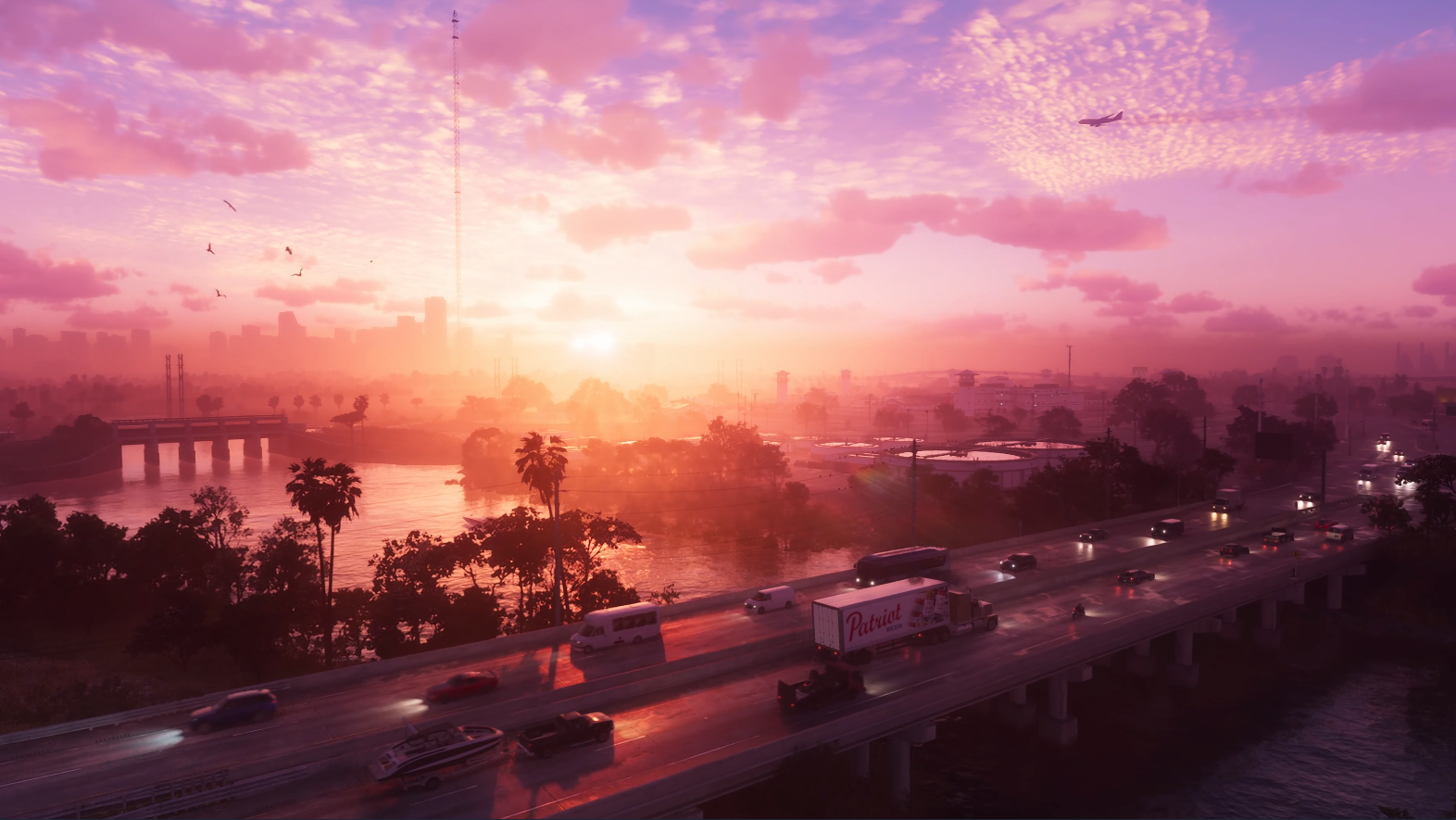
GTA 6 Set für den Herbst 2025 Veröffentlichung, bestätigt der CEO
Apr 03,2025
-
3
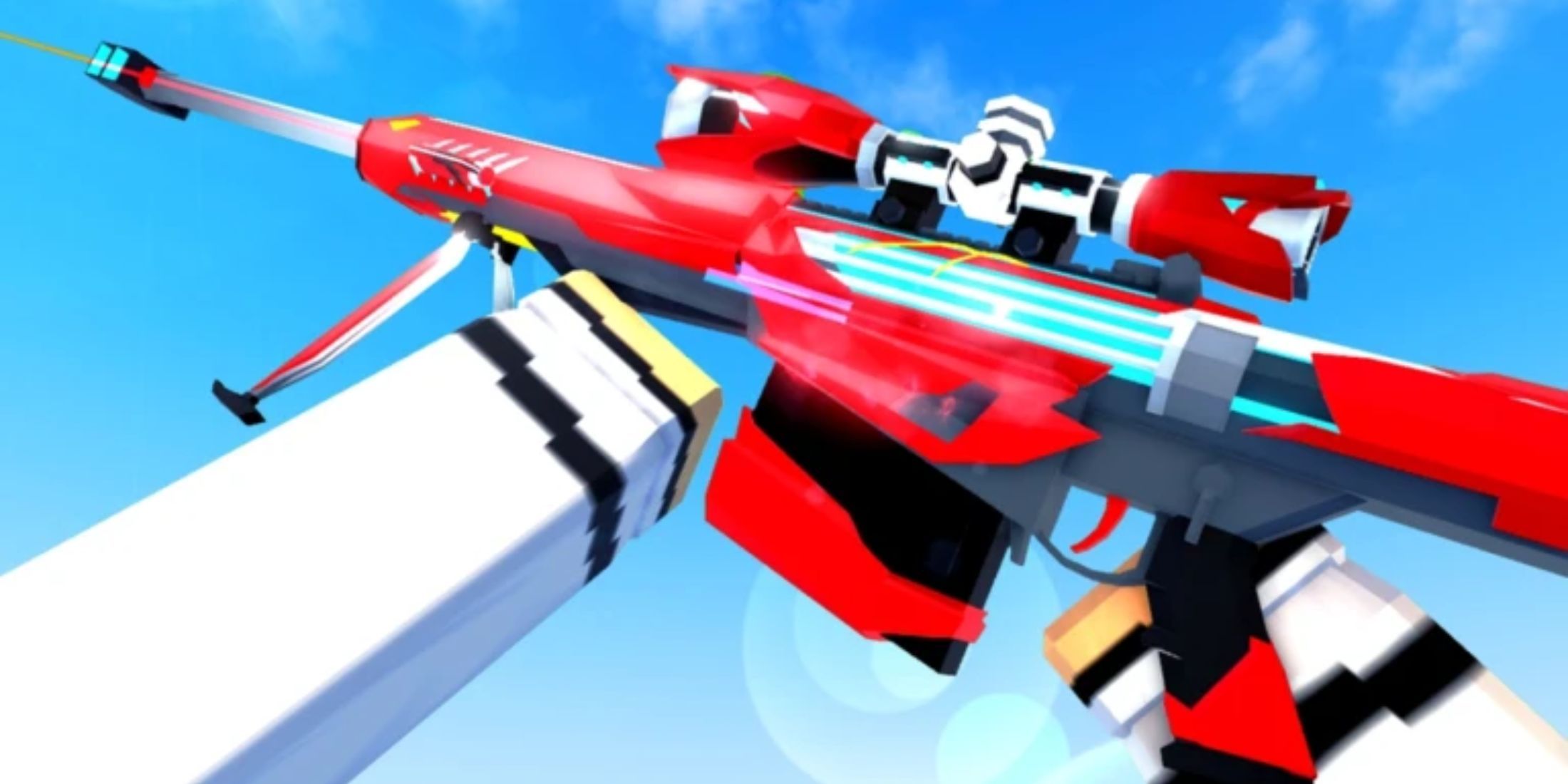
Roblox: Crossblox -Codes (Januar 2025)
Mar 04,2025
-
4
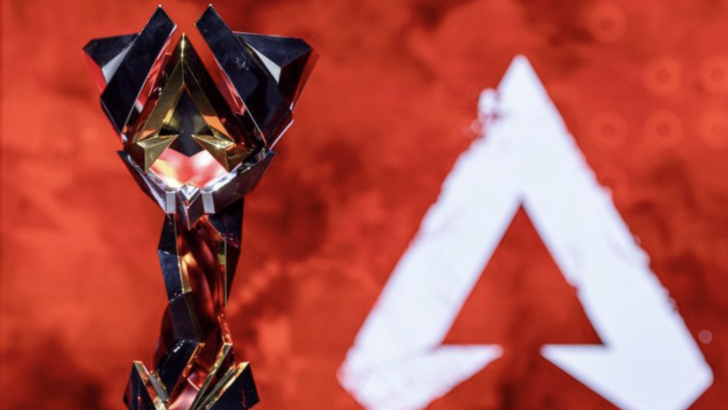
Das erste ALGS in Asien entsteht in Japan
Jan 19,2025
-
5
![Roblox Forsaken Charaktere Tierliste [Aktualisiert] (2025)](https://img.jdzca.com/uploads/18/17380116246797f3e8a8a39.jpg)
Roblox Forsaken Charaktere Tierliste [Aktualisiert] (2025)
Mar 05,2025
-
6
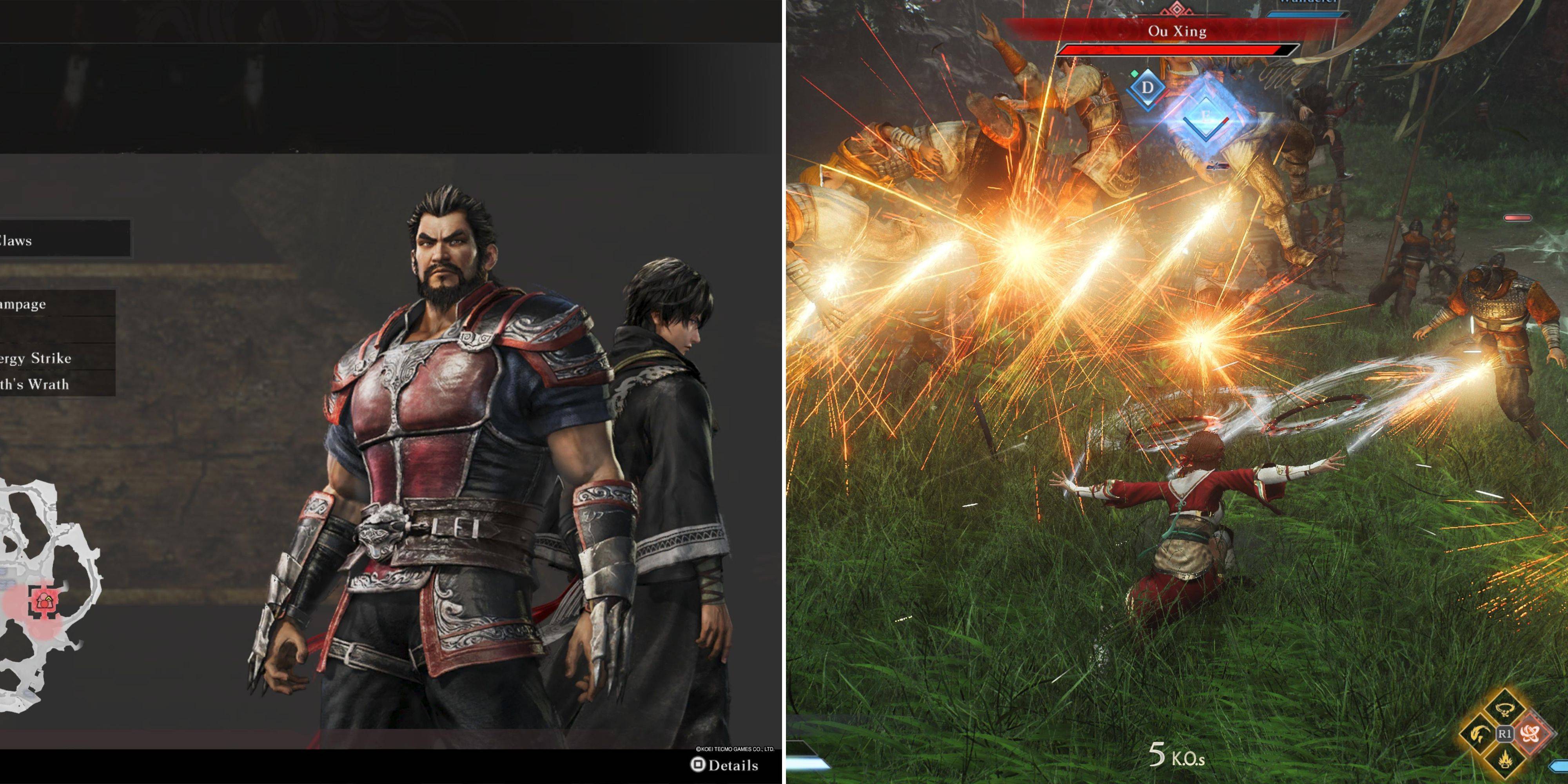
Einführung in den ultimativen Leitfaden zum nahtlosen Charaktertausch in Dynasty Warriors: Origins
Feb 25,2025
-
7
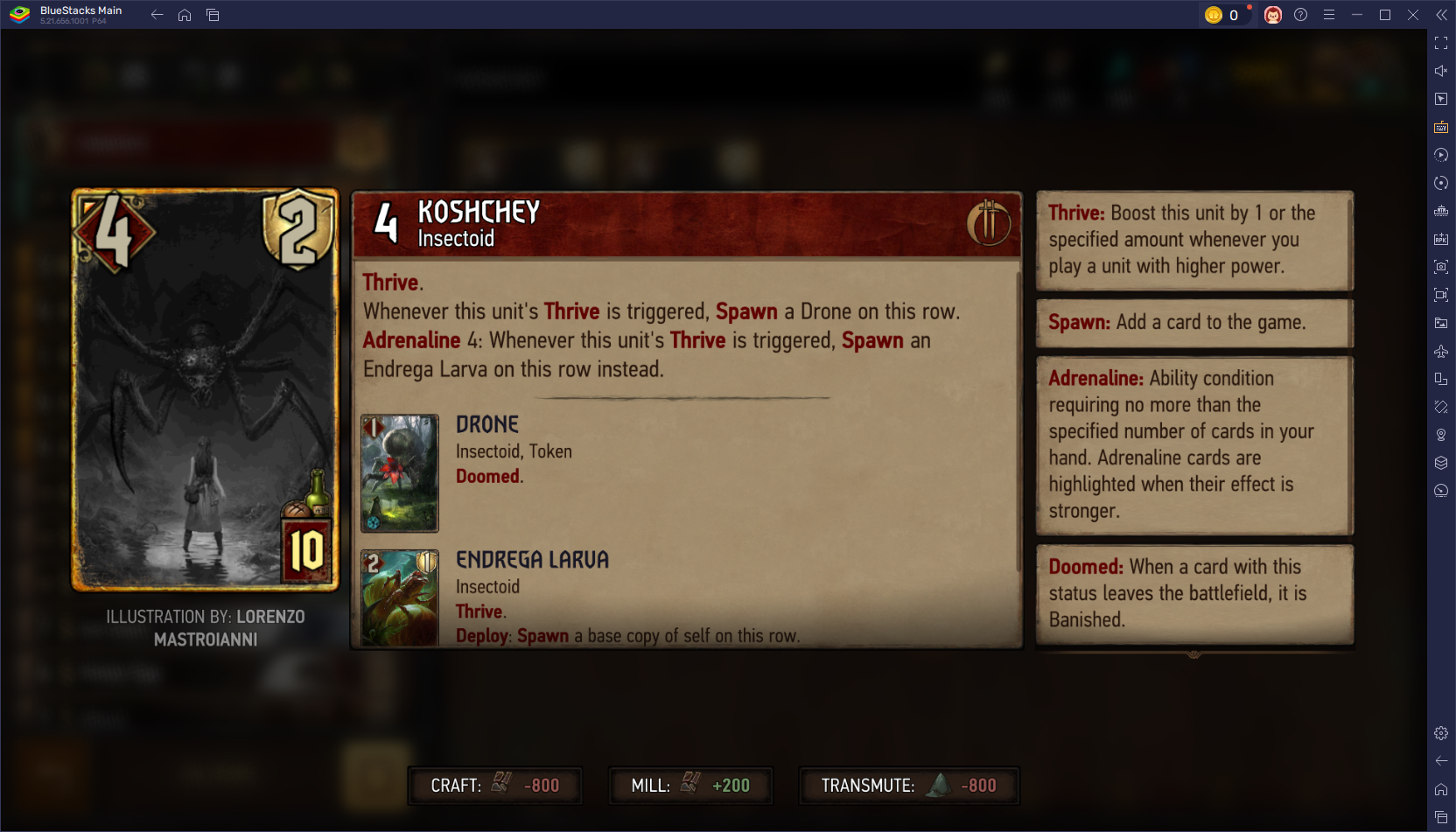
Gwent: Top 5 Witcher Decks (2025 Update)
Mar 13,2025
-
8
Max Hunter Rang in Monster Hunter Wilds: Tipps zu erhöhen
Apr 04,2025
-
9
Süße Mobs in Minecraft: Pink Pigs und warum sie gebraucht werden
Mar 06,2025
-
10
Capcom Spotlight Feb 2025 zeigt Monster Hunter Wilds, Onimusha und mehr
Apr 01,2025
-
Herunterladen

Poträtskizze
Fotografie / 37.12M
Aktualisieren: Dec 17,2024
-
Herunterladen

Friendship with Benefits
Lässig / 150.32M
Aktualisieren: Dec 13,2024
-
Herunterladen
F.I.L.F. 2
Lässig / 352.80M
Aktualisieren: Dec 20,2024
-
4
[NSFW 18+] Sissy Trainer
-
5
Pocket Touch Simulation! for
-
6
Chubby Story [v1.4.2] (Localizations)
-
7
슬롯 마카오 카지노 - 정말 재미나는 리얼 슬롯머신
-
8
Life with a College Girl
-
9
Shuffles by Pinterest
-
10
Hunter Akuna